Water damage can happen in many different ways, like a burst pipe, a big storm, or a leaking roof. When water gets into places it shouldn’t, it can lead to a lot of problems. One of the biggest issues that can come from water damage is mold. Mold can grow quickly and spread, causing health issues and damaging your home.
Identify and Assess the Source of Water Damage
It’s important to identify where the water is coming from first. This helps you know how severe the problem is and what steps to take. Here are some common sources of water damage:
1. Broken Pipes: A burst or leaky pipe can cause a lot of water to escape quickly. Check under sinks and behind appliances.
2. Roof Leaks: Water can come in through a damaged roof, especially during heavy rains. Look for water spots on your ceiling or walls.
3. Flooding: If your area has experienced heavy rain or a natural disaster, flooding could bring water into your home.
4. Appliance Failure: Washing machines, dishwashers, and water heaters can leak and cause water damage if they malfunction.
Once you identify the source, assess how bad the damage is. Check how much water is there and how far it has spread. Look at the affected materials, like carpets, walls, and furniture. Mold can start growing in just 24 to 48 hours, so it’s important to act fast.
Take photos of the damage for your records. This can be useful if you need to file an insurance claim later. If the problem is severe, you may need to call professionals to help fix it.
Effective Drying Techniques to Prevent Mold Growth
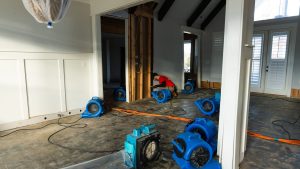
After identifying the source, the next step is drying out the area. Mold loves moisture, so getting rid of water quickly can prevent mold from starting. Here are some steps to dry out your home:
1. Remove Water: Use a wet-dry vacuum to suck up standing water. If you don’t have one, mops and towels can also work.
2. Increase Airflow: Open windows and doors to let fresh air in and help dry the area faster. Use fans to circulate air and speed up the drying process.
3. Dehumidifiers: Running a dehumidifier can remove moisture from the air, making it harder for mold to grow. Place the dehumidifier in the dampest areas.
4. Remove Wet Items: Take out any wet carpets, rugs, furniture, and other items. These can hold moisture and promote mold growth.
5. Check Hidden Areas: Water can seep into places you might not see, like under floors and inside walls. Use moisture meters to check these hidden spots.
By following these steps, you can dry out the area and make your home less friendly to mold. Not drying thoroughly can leave enough moisture for mold to start, so make sure to double-check these areas.
Home Remedies and Commercial Products for Mold Prevention
Preventing mold can be easier with the right tools and products. Some home remedies and store-bought solutions can help keep mold at bay. Here are some options:
1. Vinegar: Vinegar is a natural mold killer. Mix equal parts water and white vinegar in a spray bottle. Spray it on surfaces and let it sit for an hour, then wipe it off.
2. Baking Soda: Baking soda can help absorb moisture and prevent mold. Mix a teaspoon of baking soda with water. Spray the mixture on the moldy area, scrub with a brush, and rinse.
3. Hydrogen Peroxide: This is another good option for killing mold. Use a 3% hydrogen peroxide solution, spray it on the mold, let it sit for 10 minutes, then scrub and wipe clean.
4. Tea Tree Oil: Mix a teaspoon of tea tree oil with a cup of water in a spray bottle. Spray on the moldy area and leave it. No need to rinse.
5. Commercial Mold Cleaners: There are many commercial products available that are designed to tackle mold. Read the labels and follow the instructions carefully when using these products.
These remedies can be useful, but it’s essential to handle larger issues with professional help. Home remedies work best on small mold problems and as a preventive measure.
Regular Maintenance Tips to Keep Mold at Bay
Keeping mold away means taking care of your home regularly. Here are some tips to keep mold from becoming a problem in the first place:
1. Check for Leaks: Make a habit of checking for leaks in places like under sinks, around the toilet, and other plumbing areas. Fix any leaks you find right away.
2. Use Exhaust Fans: Turn on exhaust fans in the bathroom and kitchen when you’re cooking or showering. This helps reduce moisture in the air.
3. Keep Humidity Levels Low: Use a dehumidifier if needed. Aim to keep indoor humidity below 60%. You can measure humidity with a hygrometer, available at most hardware stores.
4. Clean and Disinfect Regularly: Regular cleaning helps keep mold away. Focus on areas that get damp, like the bathroom and kitchen.
5. Dry Wet Areas Quickly: If you spill something or have a minor water issue, dry the area as soon as you can. Don’t leave wet items lying around.
6. Proper Ventilation: Ensure your home has good airflow. Open windows sometimes and make sure air can move freely in your home.
By following these tips, you can help prevent mold from growing and keep your home healthy.
Conclusion
Mold after water damage can be a big problem, but it’s one you can manage with the right steps. Identifying the source of water damage quickly allows you to take appropriate action. Drying the area thoroughly will help stop mold from taking hold. Using home remedies and commercial products can help you deal with any mold that does start to grow. Regular maintenance and vigilance are key to keeping mold out of your home.
Dealing with mold can be tough. For bigger problems or if you’re unsure of what steps to take, professional help is always the safest option. Enviro Professional Response offers expert restoration services to handle water, fire, and mold damage. Trust our professionals to keep your home safe and mold-free. Get in touch with us today to learn more!