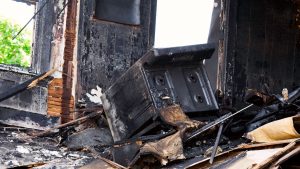
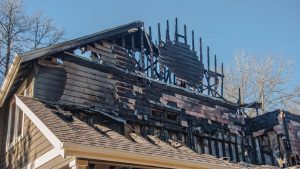
Fast water damage cleanup is essential in Pooler, GA because the city’s high humidity and coastal proximity allow mold to colonize and structural decay to begin within 24 to 48 hours. When water enters a property near Godley Station or the Pooler Parkway, it immediately attacks porous materials like drywall, hardwood, and insulation. By securing professional Water Damage Restoration Pooler, GA services without delay, you stop the progressive destruction of your home and prevent the astronomical costs associated with full-scale reconstruction. Rapid intervention is the only way to ensure that a simple pipe burst or heavy rain event does not result in a permanent loss of property value or a significant health risk to your family.
Why is it important to clean up water damage immediately?
It is important to clean up water damage immediately to halt the structural degradation of your home and to prevent the growth of toxic mold species. Water is a progressive destroyer that begins to dissolve glue bonds in carpet, swell furniture, and weaken the load-bearing capacity of timber framing the moment it makes contact. In the humid environment of the Georgia Lowcountry, standing water quickly becomes a breeding ground for bacteria and biohazards that can compromise indoor air quality.
Speed also dictates the total cost of your insurance claim and the likelihood of successfully drying out your original materials. If you address the moisture within the first few hours, many surfaces can be restored using advanced dehumidification rather than being torn out and replaced. Residents living near Tom Triplett Community Park or the Savannah Quarters area often face unique drainage challenges that require immediate professional consultation to protect their investments from long-term moisture retention.
The 24-Hour Window for Mold Growth
In a climate like ours, mold does not wait for a convenient time to grow. Spores are always present in the air and only need a moisture source and a food source, such as the paper backing on your drywall, to begin reproducing. Within a single day, a small leak can become a visible colony that requires specialized remediation protocols.
Saving Structural Integrity
When water saturates the subflooring or the studs behind your walls, it causes the wood to warp, twist, and rot. This can lead to sagging floors and cracked ceilings that are much more expensive to fix than a simple water extraction. Rapid drying techniques ensure that the skeletal structure of your home remains sound.
How long does it take for water to damage a house?
Water damage begins instantly upon contact, with significant structural and aesthetic changes occurring within minutes to hours. After only one hour, water spreads into adjacent rooms, staining furniture and saturating carpets. Between 24 and 48 hours, the damage becomes more severe as mold begins to grow, metal surfaces start to tarnish, and wood begins to swell and split.
Homeowners near the Tanger Outlets or the burgeoning residential zones of Pine Barren Road should understand the timeline of water damage:
- Minutes: Water spreads across floors and into walls, staining carpets and upholstery.
- 1–24 Hours: Drywall begins to swell and break down, metal surfaces tarnish, and musty odors develop.
- 48 Hours – 1 Week: Mold growth becomes visible, doors and windows may swell shut, and structural wood begins to rot.
- Over 1 Week: The structural integrity of the home is severely compromised, and the cost of restoration increases by as much as 300 percent.
If you discover standing water after a storm or a plumbing failure, it is vital to contact a specialist right away to prevent the situation from escalating into a total loss. Acting within the first few hours is the difference between a simple drying project and a massive renovation.
What are the risks of delayed water mitigation Pooler GA?
The primary risks of delayed water mitigation Pooler GA include permanent structural rot, the development of hazardous black mold, and the complete failure of electrical and HVAC systems. When water sits in a home, it migrates vertically through a process called capillary action, meaning a floor leak can eventually damage the ceiling of the room below. This moisture also increases the humidity levels throughout the entire house, which can damage electronics and leather goods even in rooms that were not directly flooded.
In local neighborhoods like Forest Lakes or Westbrook at Savannah Quarters, delayed response often leads to the following issues:
- Health Hazards: Standing water can contain “black water” or sewage, introducing pathogens like E. coli into the living environment.
- Electrical Danger: Moisture inside wall cavities can cause short circuits, leading to fire risks or the need for a total home rewire.
- Insurance Complications: Most insurance policies require homeowners to take reasonable steps to prevent further damage; delaying cleanup can lead to a denied claim.
What is the difference between water restoration and water mitigation?
Water mitigation is the process of preventing further damage and reducing the impact of the initial leak, while water restoration is the process of returning the home to its pre-loss condition. Mitigation involves the emergency water cleanup Pooler GA phase, including water extraction and the application of antimicrobial sprays. Restoration involves more permanent repairs, such as replacing drywall, painting, and installing new flooring.
| Phase | Common Actions | Goal |
| Mitigation | Extraction, Board-up, Tarping, Drying | Prevent further damage |
| Restoration | Flooring repair, Drywall hanging, Painting | Return to original state |
| Remediation | Mold removal, Odor neutralizing | Health and safety |
During the initial phase of a crisis, homeowners often find that they need a quick response from local teams to ensure that the mitigation phase is handled with industrial-grade equipment. This prevents the need for extensive restoration later on.
How does humidity in Pooler, GA affect water damage?
The high relative humidity in the Savannah and Pooler area slows down the natural evaporation process, making it nearly impossible for a home to “dry out” on its own. While a home in a dry climate might see some moisture dissipate naturally, the coastal air in Georgia is often already saturated. This means that without high-velocity air movers and industrial LGR (Low Grain Refrigerant) dehumidifiers, the moisture will stay trapped in your walls indefinitely.
This environmental factor makes rapid water damage response Pooler GA even more critical than it would be in other parts of the country. When the outdoor humidity is 80 percent or higher, your home’s air conditioning system is not enough to pull the moisture out of deep structural materials. Specialized drying equipment is required to create a “pressure envelope” that forces moisture out of the materials and into the air where it can be collected.
Common Causes of Residential Water Damage in Pooler
Pooler has seen incredible growth over the last decade, but both new constructions and older homes face specific risks. Understanding these causes can help you identify a problem before it requires emergency water cleanup Pooler GA services.
- HVAC Drain Line Clogs: In our hot summers, AC units run constantly. If the condensate drain line clogs, water can back up into the attic or closet, damaging ceilings and floors.
- Flash Flooding: Rapid development can sometimes change local drainage patterns, leading to yard flooding during heavy coastal storms.
- Supply Line Failures: Braided stainless steel or plastic hoses on washing machines and dishwashers can burst, releasing hundreds of gallons of water in minutes.
- Sewer Backups: Heavy rains can occasionally overwhelm local infrastructure, leading to backflows that require immediate biohazard cleaning.
Why professional water damage restoration is necessary
Many homeowners attempt to dry their homes using towels and household fans, but this rarely addresses the “hidden” water. Moisture often seeps behind baseboards and under floorboards where it cannot be seen. Professionals use thermal imaging cameras and moisture meters to track exactly where the water has traveled.
Without these tools, you might think your home is dry when the subfloor is still at 30 percent moisture content. This hidden dampness will eventually lead to floor cupping, musty odors, and mold growth that appears months after the initial event. Professional-grade equipment ensures that the “Dry Standard” is met, which is the specific moisture level a material should have based on a dry part of your home.
Steps to take while waiting for emergency water cleanup Pooler GA
If you are dealing with a flood near the Mighty Eighth Air Force Museum or any other local landmark, there are several steps you should take to minimize damage while help is on the way.
- Stop the Source: If the water is coming from a burst pipe, turn off the main water valve immediately.
- Turn Off Power: If the water has reached electrical outlets or your panel, turn off the electricity to the affected area.
- Protect Furniture: Place aluminum foil or wood blocks under furniture legs to prevent stain transfer to the carpet.
- Remove High-Value Items: Move electronics, documents, and heirlooms to a dry, climate-controlled room.
- Avoid Walking on Wet Carpet: This can push water deeper into the padding and damage the carpet fibers.
Frequently Asked Questions
Can I handle water damage cleanup myself?
While you can mop up small spills, any event involving more than a few gallons of water or any water that has seeped into walls and under floors requires professional equipment. Household fans do not have the static pressure necessary to dry structural materials, and without professional monitoring, you risk leaving moisture behind that will cause mold.
Will my insurance cover water damage restoration in Pooler?
Most standard homeowners insurance policies cover water damage that is “sudden and accidental,” such as a burst pipe or a water heater failure. However, damage caused by lack of maintenance or gradual leaks is often excluded. It is important to document the damage with photos and contact a restoration professional who can help provide the necessary documentation for your adjuster.
Is mold always a problem after water damage?
Mold is not inevitable if the drying process begins within 24 to 48 hours. However, if the water is not completely extracted and the materials are not dried to professional standards quickly, mold growth is highly likely in the Georgia climate. Using antimicrobial treatments during the mitigation phase is a standard industry practice to prevent spores from germinating.
How long does the drying process usually take?
On average, a home takes between three and five days to dry completely. This timeline depends on the types of materials affected (hardwood takes longer than drywall), the volume of water, and the atmospheric conditions. A professional will monitor the progress daily with moisture meters to determine when the equipment can be safely removed.
What should I do if I smell a musty odor after a leak?
A musty odor is a strong indicator of mold growth or trapped moisture. If you notice this smell even after the visible water is gone, it means there is dampness inside the wall cavities or under the flooring. You should have a professional inspection to locate the hidden moisture source before it leads to further health issues or structural rot.
Conclusion
The importance of rapid intervention cannot be overstated when your property is at risk. Whether you are dealing with a localized kitchen leak or a major flood event near the Ogeechee River, the clock is ticking against the structural integrity of your home. Taking immediate action by hiring experts for Water Damage Restoration Pooler, GA is the most effective way to protect your family’s health and your financial future.
When disaster strikes, you need a partner who understands the local climate and the specific architectural needs of homes in our area. Enviro Professional Response serves as a trusted local service provider, offering the technical expertise and rapid response times necessary to handle any water crisis. We provide a comprehensive solution to the problems of moisture, mold, and structural decay, ensuring that your home is returned to a safe and dry condition as quickly as possible.