Savannah’s coastal location puts it directly in the path of intense summer weather, and July regularly brings some of the heaviest rainfall totals of the year to the region. Combined with flat terrain and aging drainage infrastructure in many neighborhoods, these storms can send several inches of water into homes and businesses within hours.
Water damage restoration becomes time-sensitive the moment moisture enters a structure, since mold can begin forming in as little as one to two days. This guide covers why July storms hit Savannah so hard, the warning signs that call for immediate action, and what professional restoration actually involves.
Why July Brings More Water Damage to Savannah Homes
Savannah’s coastal location and summer storm patterns make July one of the most water-damage-prone months of the year. Several weather-related factors combine to put homes and businesses at higher risk.
1. Heavy Rainfall
Intense summer downpours can drop several inches of rain on Savannah in a matter of hours, quickly overwhelming roofing systems and municipal drainage infrastructure. Older neighborhoods with aging pipes and outdated stormwater systems are particularly vulnerable, often experiencing backups and localized flooding well before newer developments show any signs of stress.
2. Flash Flooding
Savannah’s notably flat terrain and close proximity to tidal waterways make flash flooding a frequent occurrence throughout July, sometimes developing within just thirty minutes of a heavy storm. Water can rise quickly enough to enter basements, crawl spaces, and ground-level rooms before residents have time to move belongings or deploy protective barriers.
3. Roof Leaks During Storms
Wind-driven rain has a way of finding even the smallest weak points in roofing materials, flashing, and vent seals, allowing water to seep steadily into attics and ceiling cavities. A single strong storm is often enough to expose a leak that then continues dripping for days after the weather has cleared.
4. Overflowing Gutters and Drainage Issues
Gutters that are clogged with debris or simply undersized for Savannah’s heavy summer rainfall totals can’t channel water away from the home effectively. This causes water to pool near the foundation and gradually seep into basements, crawl spaces, or ground-level walls, often without any obvious warning until damage is already underway.
Signs You Need Water Damage Restoration Immediately
Water damage isn’t always obvious right away, and waiting too long to act allows moisture to spread further into a structure. These warning signs mean it’s time to call a water damage restoration company.
1. Standing Water
Any amount of visible pooling inside a home or business, even a shallow layer covering just a small section of flooring, signals that professional extraction is needed right away. The longer standing water sits, the further it absorbs into flooring materials, baseboards, and drywall, expanding the total area that eventually needs repair.
2. Water-Stained Ceilings
Brown, yellow, or copper-toned stains spreading across a ceiling or upper wall almost always indicate an active or recent leak that has already worked its way through roofing or plumbing into the building materials below. These stains tend to grow larger with each subsequent rain event if left unaddressed.
3. Warped Flooring
Buckling hardwood, bubbling laminate, or soft, spongy spots underfoot are strong indicators that moisture has already seeped beneath the surface layer of flooring. Once flooring reaches this stage, professional-grade drying equipment is typically required to fully remove trapped moisture before mold or further structural warping can take hold.
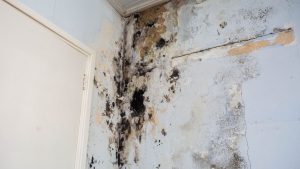
4. Musty Indoor Odors
A persistent musty or earthy smell inside a home or business usually means moisture is trapped somewhere out of plain sight, such as inside wall cavities or beneath flooring. This is often one of the earliest warning signs of hidden water damage, since visible mold growth can follow within just 24 to 48 hours.
What Happens During Professional Water Damage Restoration?
Professional water damage restoration in Savannah follows a proven process designed to remove moisture quickly and prevent secondary damage like mold or structural decay.
1. Emergency Water Extraction
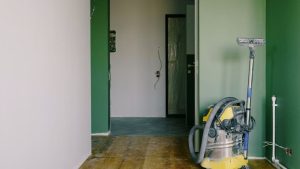
Industrial-strength pumps and truck-mounted vacuums are used to remove standing water from the property as quickly as possible after a technician arrives on-site. Fast extraction is the single most important step in the entire process, since it directly limits how much moisture ends up absorbed into flooring, drywall, and framing.
2. Structural Drying
Commercial-grade air movers and dehumidifiers are strategically positioned throughout the affected space to pull moisture out of walls, subflooring, and structural framing over the following days. This controlled drying process prevents wood from warping, drywall from swelling, and moisture levels from reaching the threshold where mold growth becomes likely.
3. Moisture Detection
Specialized moisture meters and infrared thermal imaging cameras allow technicians to locate hidden pockets of water trapped behind walls, under flooring, or inside insulation that would otherwise go completely undetected. Finding these hidden areas early prevents them from becoming sources of mold or structural decay months down the line.
4. Restoration and Repairs
Once the property is fully dry, damaged drywall, flooring, and insulation are repaired or replaced by the restoration team to return the space to its exact condition before the storm occurred. This final phase often includes painting, trim work, and reinstalling any fixtures that were removed during the drying process.
How Prompt Restoration Helps Prevent Mold Growth
Mold can begin developing in as little as 24 to 48 hours after water exposure, especially in Savannah’s humid summer climate. Once mold takes hold in drywall, insulation, or subflooring, remediation becomes far more invasive and expensive than early water extraction and drying would have been. Prompt water damage restoration removes moisture before it reaches this threshold, protecting both the structural integrity of the property and the indoor air quality for anyone living or working inside.
Why Savannah Residents Choose Enviro Professional Response
Enviro Professional Response has helped Savannah, GA homeowners and business owners recover from storm-related water damage for years, offering rapid response times and thorough moisture detection. The team understands how quickly Savannah’s humidity accelerates mold growth and prioritizes fast extraction and drying on every job. From the first phone call to the final repair, Enviro Professional Response keeps property owners informed and works directly with insurance providers to reduce stress.
Frequently Asked Questions
How quickly does mold grow after water damage?
Mold can begin growing within 24 to 48 hours of water exposure, which is why immediate extraction and drying are so important.
Is water damage from a storm covered by homeowners insurance?
Coverage varies by policy. Flood damage typically requires separate flood insurance, while storm-related roof leaks are often covered under standard policies.
Can I dry out water damage myself with fans?
Household fans rarely provide enough airflow or humidity control to fully dry structural materials, which increases the risk of hidden mold growth.
How long does water damage restoration take?
Drying typically takes three to five days, though full restoration timelines depend on the extent of the damage and any necessary repairs.
Request Water Damage Restoration in Savannah, GA
Don’t let July storm damage sit unaddressed in your Savannah home or business. Enviro Professional Response provides 24/7 emergency water damage restoration throughout Savannah, GA, using industrial-grade extraction and drying equipment to stop moisture before it causes lasting harm.
Our certified technicians locate hidden water pockets, dry structures thoroughly, and repair any damage left behind, all while working directly with your insurance company. Fast action is the single biggest factor in preventing mold and structural decay after a storm. Contact Enviro Professional Response today to request water damage restoration in Savannah, GA, and get your property back to normal quickly.