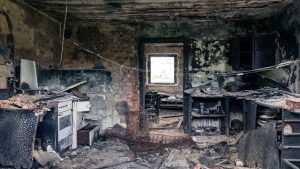
The hours right after a house fire are disorienting. Once the fire department clears the scene, homeowners are often left standing in front of a property that looks, smells, and feels completely different from the one they left that morning, without a clear sense of what happens next.
Knowing what the first 24 hours of fire damage restoration typically involve can make that period a little less overwhelming and help you avoid mistakes that could complicate the restoration or your insurance claim.
What Happens Immediately After the Fire Is Out
What’s the very first thing that should happen after a fire? Before anything else, the property needs to be confirmed safe to approach. Fire departments will typically clear a scene once the fire is fully extinguished, but that doesn’t mean the structure is safe to enter or live in. Structural damage, compromised electrical systems, and lingering smoke or gas hazards can all make a property unsafe even after the flames are gone.
Once the property has been cleared:
- Do not re-enter the home until officials or a restoration professional confirms it’s safe to do so.
- Contact your insurance provider as soon as possible to begin the claims process.
- Contact a fire damage restoration company to secure the property and begin an initial assessment.
- Avoid touching soot-covered surfaces or attempting to clean anything yourself in the first 24 hours, since soot can smear and set into materials if handled incorrectly.
Securing the Property
One of the first priorities for a restoration crew is stopping additional damage from occurring while repairs are being planned. This typically includes:
- Boarding up broken windows, damaged doors, or holes in exterior walls to prevent weather intrusion and unauthorized entry.
- Roof tarping if the fire or firefighting efforts damaged the roof, to keep rain out while a permanent repair is arranged.
- Water mitigation, since most house fires involve significant water damage from firefighting efforts, in addition to the fire and smoke damage itself. In many cases, water damage is addressed alongside fire restoration rather than as a separate issue.
Assessing the Full Scope of Damage
Fire damage is rarely limited to the room where the fire started. A thorough assessment looks at:
1. Structural Damage
Technicians evaluate framing, flooring, and load-bearing elements for damage from direct fire exposure or from the heat and water involved in extinguishing it.
2. Smoke and Soot Damage
Smoke and soot can travel through a home well beyond the immediate fire area, settling into rooms far from where the fire occurred, especially if the HVAC system was running when the fire started. Soot is acidic and can continue to damage surfaces the longer it sits, which is part of why quick professional response matters.
3. Water Damage from Firefighting Efforts
Large volumes of water used to extinguish a fire need to be addressed just as seriously as the fire damage itself, since standing water and saturated materials can lead to secondary problems like mold if not properly extracted and dried.
4. Odor Assessment
Smoke odor can penetrate drywall, insulation, flooring, and fabrics in ways that aren’t always obvious from a visual inspection, and it requires specific treatment beyond general cleaning to fully resolve.
What Not to Do in the First 24 Hours
A few common instincts can actually make fire damage worse or create safety risks:
- Don’t turn on ceiling fixtures or use electrical outlets in fire-affected areas until they’ve been inspected, since wiring can be compromised even without visible damage.
- Don’t attempt to wash soot off walls or upholstery with water or household cleaners, since this can drive soot deeper into the material and make later cleaning more difficult.
- Don’t send fire-damaged clothing or fabrics to a standard dry cleaner without first checking whether specialized smoke odor treatment is needed.
- Don’t discard damaged items before documenting them for your insurance claim, unless they pose an immediate safety hazard.
- Don’t assume a room with no visible fire damage is unaffected. Smoke and soot residue can spread throughout a home even from a contained fire.
Documenting Fire Damage for Your Insurance Claim
Photograph and video the damage throughout the property before any cleanup begins, including rooms that weren’t directly burned but may have smoke or water damage. Keep a written or photographed inventory of damaged belongings where possible. Your restoration company can typically provide documentation of the mitigation and restoration work performed, which supports the claims process. Because fire insurance claims often involve both structural and personal property coverage, understanding your specific policy early helps avoid confusion later.
The Professional Fire Damage Restoration Process After the First 24 Hours
Once the property is secured and the initial assessment is complete, restoration typically moves through several phases:
1. Water Extraction and Structural Drying
Any water used in firefighting is extracted, and the structure is dried using air movers and dehumidifiers, with moisture monitored until materials reach an acceptable drying standard.
2. Soot and Smoke Residue Removal
Affected surfaces are cleaned using techniques and products suited to the type of soot and residue present, since different fire sources leave different types of residue that respond to different cleaning methods.
3. Odor Removal
Persistent smoke odor is addressed through specialized deodorization methods, which go beyond surface cleaning to treat materials that have absorbed smoke odor.
4. Content Cleaning and Restoration
Salvageable belongings, including furniture, textiles, and personal items, are cleaned and treated to remove smoke odor and soot residue where possible.
5. Structural Repairs
Once cleaning and odor treatment are complete, damaged structural elements like drywall, flooring, and framing are repaired or rebuilt to bring the home back to a livable condition.
Watching for Mold After Fire Damage
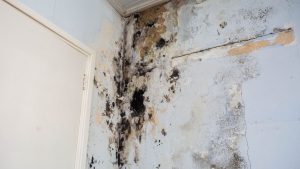
Because most house fires involve significant water from firefighting efforts, mold risk is a real concern in the weeks following a fire, especially in Savannah’s humid climate. If water wasn’t fully extracted and dried during the initial mitigation, hidden moisture in walls, flooring, or crawl spaces can lead to mold growth even after the visible fire damage has been repaired. It’s worth having any areas that took on significant water checked as part of a thorough mold remediation evaluation.
When to Contact Enviro Professional Response for Fire Damage Restoration in Savannah, GA
The first 24 hours after a house fire set the direction for everything that follows, and having an experienced team secure the property and begin assessment quickly can make a meaningful difference in the outcome. Enviro Professional Response provides fire damage restoration, along with water damage restoration, mold remediation, and air duct cleaning, for homes and businesses throughout Savannah and the surrounding Georgia coastal region. If your property has experienced fire damage, contact Enviro Professional Response to begin the restoration process.
Frequently Asked Questions
How soon after a fire should restoration begin?
As soon as the property is confirmed safe to enter. Smoke and soot residue can continue causing damage the longer they sit, and water from firefighting efforts needs to be addressed quickly to prevent secondary issues like mold. Contacting a restoration company within the first 24 hours helps limit how far the damage spreads.
Can smoke damage affect rooms that weren't touched by the actual fire?
Yes. Smoke and soot can travel through a home’s air, especially if the HVAC system was running, and settle in rooms well away from where the fire occurred. A full assessment typically checks the entire property, not just the immediate fire area.
Is it safe to clean soot and damage myself?
It’s not recommended for anything beyond very minor surface residue. Soot is acidic and can smear or set into materials if wiped with water or household cleaners, making professional cleaning more difficult afterward. Professional technicians use specific methods based on the type of soot present.
Does homeowners insurance cover fire damage restoration in Savannah, GA?
Most standard homeowners policies cover fire damage, including smoke and soot cleanup and related structural repairs, though coverage specifics vary by policy. Review your policy or speak with your provider to understand your specific coverage and claims process.
How long does fire damage restoration typically take?
Timelines depend on the extent of the fire, smoke, and water damage, as well as how much structural repair is needed. Straightforward smoke and odor mitigation may take days, while extensive structural rebuilding can take considerably longer. A thorough initial assessment gives the clearest picture of the expected timeline for your specific situation.
Can I salvage furniture and belongings after a fire?
It depends on the item and how much smoke, soot, or water exposure it experienced. Many textiles, furniture pieces, and personal items can be cleaned and restored with specialized content cleaning techniques, while others may be too damaged to save. A restoration technician can assess individual items as part of the process.