
Ask anyone who has lived in Savannah for a while, and they’ll tell you the air here rarely feels dry. That humidity is part of what makes the coastal Georgia climate what it is, and it’s also a major reason mold shows up faster after water damage here than it might in a drier part of the country.
If your home has had any kind of leak, flooding, or moisture problem, understanding why humidity matters, and what mold remediation actually involves, can help you catch a problem early instead of finding out the hard way.
Why Savannah’s Climate Creates Elevated Mold Risk
Savannah’s humid subtropical climate keeps relative humidity high for much of the year, not just during the hottest summer stretch. That ambient moisture in the air matters because mold needs three things to grow: a food source (organic material like drywall paper, wood, or dust), the right temperature, and moisture. Savannah’s climate takes care of the temperature part for most of the year, which means moisture is often the only variable standing between a damp material and active mold growth.
In a drier climate, a wet wall or damp carpet has a better chance of drying out on its own before mold has a chance to take hold. In Savannah, the surrounding air is often already carrying significant moisture, which slows natural evaporation and gives mold spores, which are present in virtually all indoor and outdoor environments, more time and better conditions to establish themselves on a damp surface.
This is why even water damage that seems minor, a small roof leak, a slow drain leak under a sink, condensation around windows, can turn into a mold problem faster here than homeowners expect.
Common Sources of Moisture That Lead to Mold in Savannah Homes
- Unresolved water damage, including water intrusion that was cleaned up on the surface but not fully dried within walls, flooring, or subfloor.
- Crawl space moisture, which is a common issue in Savannah’s many older homes built on raised foundations, especially without proper vapor barriers or ventilation.
- HVAC condensation problems, since air conditioning systems run heavily in this climate and can create condensation issues if condensate lines clog or ductwork isn’t properly insulated.
- Roof and window leaks that allow moisture in gradually rather than all at once, making them easy to miss until mold is already visible.
- Poor ventilation in bathrooms, laundry rooms, and kitchens, where everyday moisture from showers, cooking, and laundry has nowhere to go.
- Storm and hurricane season water intrusion, which can leave hidden moisture behind even after visible water is cleaned up.
Warning Signs of Mold Growth
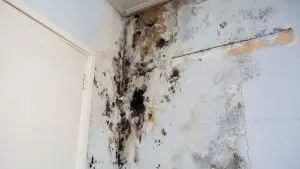
What does mold actually look like when it’s starting to grow? It often shows up as small dark, green, black, or white spots on walls, ceilings, or in corners, sometimes with a fuzzy or slightly raised texture. But visible mold is only part of the picture. Other warning signs include:
- A persistent musty or earthy odor in a room, closet, or crawl space
- Discoloration or staining on walls, ceilings, or baseboards
- Peeling paint or bubbling drywall
- Increased allergy symptoms or respiratory irritation while at home
- Condensation that regularly appears on windows or in specific rooms
If you notice any of these, especially after a known water event, it’s worth having the area professionally inspected rather than assuming it will resolve on its own.
Health Considerations and Mold Exposure
Mold exposure affects people differently. Some individuals experience little to no reaction, while others, particularly those with allergies, asthma, or compromised respiratory systems, may notice symptoms like coughing, sneezing, throat irritation, or worsened asthma when mold is present in the home. If anyone in your household is experiencing unexplained respiratory symptoms and you suspect mold, it’s worth having the property assessed.
The Professional Mold Remediation Process
Inspection and Assessment
A technician inspects the property to identify visible mold, locate the moisture source feeding it, and determine the scope of the affected area. This often includes checking areas that aren’t immediately visible, like inside wall cavities, under flooring, or in crawl spaces.
Containment
Before remediation work begins, the affected area is typically contained to prevent mold spores from spreading to unaffected parts of the home during the cleanup process.
Air Filtration
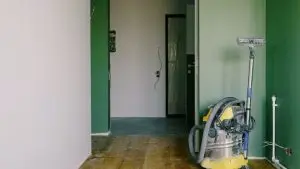
Air scrubbers with HEPA filtration are used to capture airborne mold spores and improve air quality in and around the containment area during the remediation process.
Removal of Affected Materials
Materials that are too heavily colonized to clean, such as saturated drywall, insulation, or carpet padding, are removed and properly disposed of, since some porous materials can’t be fully restored once mold has taken hold.
Cleaning and Treatment
Surfaces and materials that can be salvaged are cleaned and treated to remove mold and address the conditions that allowed it to grow.
Addressing the Moisture Source
Remediation isn’t complete without resolving whatever caused the moisture in the first place, whether that’s a leak, poor ventilation, or an ongoing humidity issue, since cleaning up mold without fixing the source usually means it will return.
Post-Remediation Verification
Once the work is done, the area is checked to confirm mold has been effectively addressed and conditions no longer support regrowth.
Preventing Mold Growth in a Humid Climate
A few habits and maintenance steps can meaningfully lower mold risk in a climate like Savannah’s:
- Address leaks and water intrusion immediately rather than waiting to see if they get worse.
- Keep bathrooms, kitchens, and laundry rooms well ventilated, and use exhaust fans during and after use.
- Have your HVAC system serviced regularly, including condensate lines and ductwork, and consider a periodic air duct cleaning if you notice reduced airflow or dust buildup.
- Check crawl spaces periodically for signs of moisture, and consider a vapor barrier if one isn’t already in place.
- Use a dehumidifier in consistently damp areas of the home if humidity remains elevated even with good ventilation.
- Have any past water damage professionally dried and monitored rather than assuming visible drying means the problem is fully resolved.
When to Contact Enviro Professional Response for Mold Remediation in Savannah, GA
If you’ve noticed a musty smell, visible mold, or moisture that just won’t seem to dry out, Savannah’s humidity means it’s worth taking seriously rather than waiting. Enviro Professional Response provides mold remediation, along with water damage restoration, fire damage restoration, and air duct cleaning, for homes and businesses throughout Savannah and the surrounding Georgia coastal region. If you suspect mold in your home, contact Enviro Professional Response to have it assessed and addressed.
Frequently Asked Questions
How fast can mold grow after water damage in Savannah's humid climate?
Mold growth depends on temperature, humidity, and how long materials stay wet, and Savannah’s warm, humid conditions can shorten that timeline compared to drier regions. Water damage should be addressed and thoroughly dried as quickly as possible to reduce the risk.
Can I remove mold myself with household cleaning products?
Small surface mold on non-porous materials, like tile, can sometimes be cleaned with standard household products. Mold on porous materials like drywall, wood, or carpet, or mold covering a larger area, typically requires professional remediation, since surface cleaning doesn’t address mold that has grown into the material or the underlying moisture source.
Does homeowners insurance cover mold remediation in Savannah, GA?
It depends on the cause. Mold resulting from a sudden, covered event like a burst pipe may be covered under a standard homeowners policy, while mold from long-term neglect, humidity, or an unaddressed leak often is not. Review your specific policy or speak with your provider to understand what applies.
Is it safe to stay in my home during mold remediation?
It depends on the extent and location of the mold. Small, contained areas often allow you to remain in unaffected parts of the home during remediation. Larger infestations, or mold in HVAC systems that circulate air throughout the house, may warrant temporary relocation. A technician can advise based on your specific situation.
How do I know if my crawl space has a mold problem?
Common signs include a musty odor noticeable from inside the living space above, visible dark spots on floor joists or subflooring if you inspect the crawl space directly, and increased humidity or condensation in the crawl space itself. Because crawl spaces are enclosed and hard to inspect casually, a professional evaluation is the most reliable way to check.
What's the difference between mold remediation and mold removal?
The terms are often used interchangeably, but remediation specifically refers to the full process of identifying the moisture source, containing and removing affected materials, cleaning salvageable surfaces, and addressing the underlying cause so mold doesn’t return, rather than just wiping away visible growth.