Savannah sits low and close to the Atlantic, and that geography shapes what hurricane season means for the people who live here. From June through November, homeowners across the city and the surrounding Georgia coastal region watch tropical systems track up from the Gulf and the Atlantic, knowing that even a storm that never makes a direct hit can still bring damaging wind, heavy rain, and rising water.
This guide covers why Savannah’s location creates that risk, how storm damage actually gets into a home, and what the professional storm damage restoration process looks like once wind or water has done its damage, so local homeowners know what to expect if this hurricane season affects their property.
Why the Georgia Coast Carries Real Hurricane Risk
Savannah’s exposure comes down to a few overlapping factors. The city and its surrounding marshland sit at a low elevation, much of it near sea level, with tidal creeks and rivers that can back up quickly when a storm pushes water inland. Add in Savannah’s humid subtropical climate, which keeps ground already saturated for long stretches of the year, and there’s often little room for extra rainfall to soak in before it starts pooling against homes and businesses.
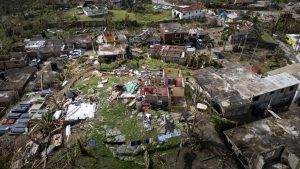
Hurricane season officially runs June 1 through November 30, with the Atlantic’s peak activity typically falling in late summer and early fall. Even storms that stay offshore or weaken before landfall can still send heavy bands of rain and sustained wind across the Savannah area, and storm surge from a nearby system can push tidal water further inland than residents expect, especially in low-lying neighborhoods near marsh and creek frontage.
How Storm Damage Reaches Savannah Homes
Hurricanes and tropical storms damage homes through more than one mechanism, and it helps to understand which one you’re dealing with, since the restoration approach differs.
1. Wind Damage
High, sustained wind and gusts can lift shingles, damage flashing around chimneys and vents, and drive rain sideways into siding, soffits, and window frames that would otherwise stay dry in a normal rainstorm. Downed limbs and trees, common across Savannah’s older, tree-lined neighborhoods, can also puncture roofs or damage siding directly.
2. Rainfall and Flooding
Tropical systems can drop several inches of rain in a short period, more than local drainage can move away fast enough. Water can back up in yards and streets, then find its way in through:
- Roof damage from wind or fallen debris
- Window and door seals not built for wind-driven rain
- Foundation cracks or gaps around utility penetrations
- Low grading points where water pools against exterior walls
3. Storm Surge and Tidal Flooding
For properties closer to Savannah’s rivers, creeks, and marsh edges, storm surge is a distinct concern from rainfall flooding. Surge pushes saltwater inland ahead of and during a storm, and it can affect homes that never see standing water from rain alone. Surge-related water intrusion often carries silt, debris, and contamination that requires different handling than clean rainwater.
Preparing Your Savannah Property Before Storm Season
A few practical steps ahead of hurricane season can reduce how much damage actually reaches the inside of your home.
- Trim dead or overhanging tree limbs, especially near the roofline, and check that mature trees on the property look structurally sound.
- Clean gutters and downspouts so rainwater has a clear path away from the foundation instead of overflowing near walls.
- Inspect roof flashing, shingles, and seals around vents and chimneys, and address any weak spots before storm season peaks.
- Check that the ground slopes away from your foundation, and fill in low spots that could collect runoff near entry points.
- Have a plan for securing or bringing in outdoor furniture, grills, and other items that can become debris in high wind.
- Review your homeowners and flood insurance policies so you understand what is and is not covered before you need to file a claim.
- Put together a basic emergency kit and a plan for evacuation if local officials issue one for your area.
None of these steps make a home stormproof, but they reduce the number of ways wind and water can find an opening, and they can limit how far damage spreads if a storm does get through.
What to Do Immediately After Storm Damage
Safety comes first. Stay out of standing water if there’s any chance it’s in contact with downed power lines or electrical systems, and don’t attempt roof repairs or debris removal in conditions that are still unsafe.
Once it’s safe to assess the property, a few steps protect both your home and your insurance claim:
- Photograph and video the damage before moving or removing anything, including wide shots of each room and close-ups of specific damage.
- Avoid running electrical equipment in any area that takes on water until it’s been checked.
- Contact a storm damage restoration company as soon as possible. Standing water and wet building materials in Savannah’s warm, humid climate can start supporting mold growth quickly.
- Contact your insurance provider to begin the claims process and ask what documentation they’ll need.
The Professional Storm Damage Restoration Process
Once a restoration crew is on site, the work follows a sequence built to stop damage from spreading and get the structure back to a safe, dry, and stable condition.
1. Assessment and Emergency Mitigation
Technicians assess the full extent of wind and water damage, not just what’s visible on the surface, and take emergency steps like tarping a damaged roof or boarding up broken windows to stop further water intrusion while repairs are planned.
2. Water Extraction and Structural Drying
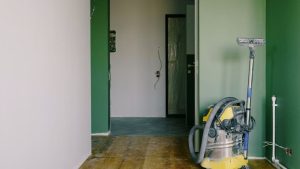
Any standing water is extracted, and air movers and dehumidifiers are set up to dry out saturated flooring, drywall, and insulation. In Savannah’s humid climate, ambient moisture in the air makes this drying step even more important, since a wet structure sitting in a humid environment doesn’t dry on its own the way it might in a drier region.
3. Moisture Monitoring
Technicians use moisture meters to track drying progress in walls, flooring, and other materials, comparing readings to unaffected parts of the home until everything reaches an acceptable, documented drying standard.
4. Cleaning and Contamination Control
If storm surge or floodwater carries silt, debris, or contamination into the home, affected materials are cleaned and treated as part of the restoration. Water that came into contact with surge or sewage backup requires different handling than clean rainwater intrusion.
5. Repairs and Reconstruction
Once the structure is dry and clean, damaged materials like drywall, flooring, and insulation are repaired or replaced to bring the space back to its pre-storm condition.
6. Watching for Mold After Storm Damage
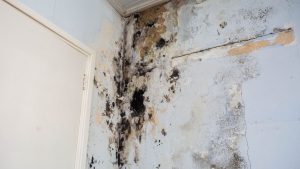
Savannah’s year-round humidity means that any wet building material left unaddressed for even a short time can start developing mold. If your home experienced water intrusion during a storm, it’s worth having the affected areas checked for early signs of mold growth even after the visible drying work is done, particularly in areas like crawl spaces, closets, and behind baseboards where moisture can linger. A mold remediation team can identify and address growth before it spreads further into the home.
When to Contact Enviro Professional Response for Storm Damage Restoration in Savannah, GA
If a storm has left your Savannah home with roof leaks, wind damage, or water intrusion, don’t wait to see if it dries out or resolves on its own. Enviro Professional Response provides water damage restoration, fire damage restoration, mold remediation, and air duct cleaning for homes and businesses throughout Savannah and the surrounding Georgia coastal region. If hurricane season has brought storm damage to your property, contact Enviro Professional Response to get the damage assessed and the restoration process started.
Frequently Asked Questions
Does homeowners insurance cover hurricane damage in Savannah, GA?
It depends on your specific policy and the cause of the damage. Wind damage and wind-driven rain that enters through a damaged roof are typically covered under a standard homeowners policy. Flood and storm surge damage usually require a separate flood insurance policy. Review your policy directly or speak with your provider to understand what applies to your situation.
How quickly does storm damage need to be addressed to prevent mold in Savannah's climate?
As soon as possible. Savannah’s humid subtropical climate keeps ambient moisture high year-round, which shortens the window before wet materials start supporting mold growth. Standing water and saturated materials should be addressed right away rather than left to dry naturally.
What's the difference between storm surge damage and rainfall flooding?
Storm surge pushes saltwater inland from the coast, rivers, or marshes ahead of and during a storm, and it can carry silt, debris, and contamination that require specialized cleaning. Rainfall flooding comes from heavy rain overwhelming drainage or finding its way in through roof or foundation weaknesses. Both call for a prompt professional assessment, but the water itself is handled differently.
Can I stay in my home during storm damage restoration?
It depends on the extent of the damage. Minor water intrusion or isolated roof damage may allow you to remain in unaffected parts of the home during drying and repairs. More extensive damage, especially involving structural drying equipment throughout the home or safety concerns like exposed wiring, may require temporary relocation. A technician can advise based on the specific damage to your property.
It depends on the extent of the damage. Minor water intrusion or isolated roof damage may allow you to remain in unaffected parts of the home during drying and repairs. More extensive damage, especially involving structural drying equipment throughout the home or safety concerns like exposed wiring, may require temporary relocation. A technician can advise based on the specific damage to your property.
Timelines vary based on how much water intruded, which materials were affected, and how extensive any wind or structural damage is. Drying continues until moisture readings in affected materials reach an acceptable level compared to unaffected areas, and repair work depends on the scope of what needs to be replaced.
Should I make temporary repairs myself before a restoration crew arrives?
Reasonable, safe emergency steps, like placing a tarp over a small roof leak or moving valuables out of an affected room, can help limit further damage. Avoid anything that puts you at risk, such as climbing on a damaged roof or entering standing water near electrical sources, and leave structural assessment and repair decisions to a professional.