Spring storms in the Lowcountry often bring heavy downpours and high winds that can overwhelm a home’s exterior defenses in minutes. The primary causes of property loss during these events include roof leaks, saturated foundations, and rising ground water from local drainage systems. If you find standing water in your home after a heavy downpour, you must act quickly to secure water damage restoration in Savannah GA to prevent permanent structural issues. Because of our local humidity and high water table, even a small leak from a March squall can turn into a significant mold problem if not addressed within the first 24 to 48 hours.
Why does my house leak during heavy rain?
Rainwater typically enters a home when the volume of precipitation exceeds the capacity of the roof, gutters, or foundation drainage system to redirect it. During a severe storm, wind-driven rain can be forced under roof shingles or through degraded window seals that seem airtight during lighter drizzles. If your gutters are clogged with debris from local oak trees, the water will overflow and pool at the base of your home, eventually seeping through foundation cracks.
Identifying the entry point is the first step in mitigating the loss. Many homeowners in the Historic District find that older masonry and brickwork become porous over time, allowing moisture to migrate into the interior lath and plaster. This is often exacerbated by hydrostatic pressure, where the weight of saturated soil pushes water through the smallest vulnerabilities in a crawlspace or basement.
To ensure your home is properly protected, you must verify that all drainage components are functioning as intended. If you notice damp spots on your ceiling or walls after a storm near Forsyth Park or the Starland District, you should contact us to perform a professional moisture inspection. Identifying these issues early can save you thousands of dollars in long-term repairs.
When should you call for water damage restoration in Savannah GA?
You should call for professional assistance as soon as you notice standing water, saturated building materials, or a persistent musty odor following a weather event. Professional water damage restoration in Savannah GA is necessary whenever moisture has migrated into structural components like drywall, insulation, or subflooring. Because these materials are porous, they can hold moisture long after the visible puddles have been wiped away.
Acting within the first few hours is critical for several reasons:
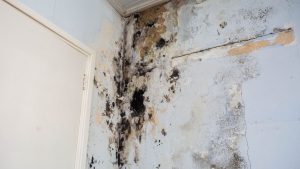
- Mold spores can begin to colonize on organic surfaces within 24 to 48 hours.
- Saturated drywall loses its structural integrity and may collapse if left wet.
- Hardwood floors, common in Midtown Savannah homes, can warp and cup if not dried from beneath.
- Electrical systems can become hazardous when exposed to moisture behind walls.
Common Sources of Spring Storm Water Damage
Severe weather in the coastal empire often involves specific types of failures that lead to indoor flooding. Understanding these sources helps you communicate more effectively with your insurance adjuster and restoration team.
Roof and Flashing Failures
High winds during a spring storm can lift shingles or damage the flashing around chimneys and vents. Once the underlayment is exposed, rainwater can enter the attic and travel down the framing members. This often results in “mystery leaks” where the ceiling stain is several feet away from the actual roof breach.
Window and Door Seal Compromise
Savannah’s coastal winds can push rain horizontally against the side of your home. If the caulking around your window frames or the weatherstripping on your doors has dried out or cracked, water will find its way inside. This is particularly common in historic homes where original window weights and casings create large cavities that can hold significant amounts of water.
Foundation Seepage and Hydrostatic Pressure
The soil in the Lowcountry is often sandy but can become incredibly dense and heavy when saturated. As the water table rises during a multi-day rain event, the pressure against your foundation increases. This pressure forces water through hairline cracks or through the floor-to-wall joints in garages and crawlspaces.
The Impact of Savannah’s High Water Table
Residents near the Savannah River or those living in low-lying areas like Isle of Hope or Thunderbolt face unique challenges. Our geographic location means the ground is already close to saturation for much of the year. When a heavy spring storm hits, the soil cannot absorb the additional volume, leading to immediate surface runoff and localized flooding.
This high water table also complicates the drying process. Traditional ventilation methods often fail because the outdoor air is just as humid as the indoor environment. Professionals must use specialized equipment to create a controlled drying chamber that can overcome these external environmental factors. Without industrial-grade dehumidifiers, the moisture will simply move from one material to another without ever leaving the building.
| Damage Type | Cause | Potential Risk | Primary Solution |
| Surface Flooding | Heavy rain overflow | Contaminated water | Extraction and sanitization |
| Seeping Walls | Foundation cracks | Structural rot | Crack repair and dehumidification |
| Roof Leaks | Wind-damaged shingles | Attic mold | Tarping and structural drying |
| Backed-up Drains | Saturated city lines | Category 3 contamination | Aggressive cleaning and material removal |
Understanding the Process of Severe Weather Restoration
When a storm impacts your property, the recovery process follows a specific sequence designed to stabilize the environment and prevent secondary damage. This is more than just vacuuming up water; it is a scientific process that involves monitoring moisture levels and air movement.
- Assessment and Inspection: Technicians use thermal imaging cameras and moisture meters to map out the full extent of the intrusion. This step ensures that no hidden water is left behind in the wall cavities.
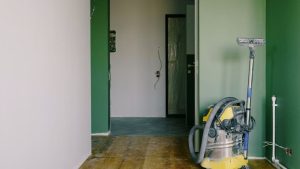
- Water Extraction: Using submersible pumps and truck-mounted vacuums, the bulk of the standing water is removed from carpets and floors.
- Structural Drying: High-velocity air movers and LGR dehumidifiers are placed strategically to pull moisture out of the air and the building materials.
- Monitoring: The team returns daily to check moisture readings and adjust the equipment as the materials reach their dry standard.
- Final Cleaning: All affected areas are sanitized with EPA-approved antimicrobials to ensure the home is safe for occupancy.
Why Rainwater Intrusion Repair is Time Sensitive
The longer water remains in your home, the more damage it causes. This is known as a progressive loss. For example, within minutes, water spreads to other rooms and is absorbed into furniture and personal items. Within hours, drywall begins to swell and break down, and metal surfaces may begin to tarnish.
By the time 48 hours have passed, mold can become a visible problem, and wood components like baseboards and door frames may begin to warp. In our coastal climate, the heat from the sun following a storm can create a greenhouse effect inside a wet home, accelerating these processes. Rapid rainwater intrusion repair is the only way to minimize the total cost of the claim and the time you are displaced from your home.
Navigating Insurance for Spring Storm Damage
Filing a claim for storm damage in Savannah requires careful documentation. Most homeowners policies cover sudden and accidental water damage caused by wind or falling trees. However, they may have specific requirements regarding how quickly you must mitigate the loss.
You should take high-resolution photos of the damage as soon as it is safe to do so. Keep any receipts for temporary repairs, such as tarps or plywood, as these are usually reimbursable. A professional restoration company can provide the detailed moisture logs and estimates that adjusters need to process your claim efficiently. Dealing with the aftermath of a storm is stressful, but having organized records will help you navigate the process with less friction.
Protecting Savannah Neighborhoods from Storm Impacts
Whether you live in the bungalow-lined streets of Ardsley Park or a modern development on the Southside, every home is at risk during hurricane season and the spring storm months. Maintaining your property is your first line of defense. This includes regular roof inspections and ensuring that your landscaping grades away from the house.
If your home is in a high-risk area near the marshes or tidal creeks, you may need to consider additional preventative measures. Sump pumps with battery backups are excellent investments for homes with crawlspaces. Additionally, ensuring that your storm drains and gutters are free of debris before the heavy rains start can prevent many common flooding scenarios.
Frequently Asked Questions
What are the first signs of water damage in a Savannah home?
The first signs often include bubbling paint, discolored patches on the ceiling, or a “soft” feeling when you step on laminate or hardwood flooring. In some cases, you might notice a musty odor that persists even after the air conditioning has been running. If you see any of these signs after a storm near River Street or the Victorian District, it is time to call for a professional moisture check.
Is rainwater considered contaminated or clean?
Initially, rainwater is considered Category 1 or “clean” water. However, as it passes over your roof, through your gutters, or across your lawn, it picks up bacteria, bird droppings, and chemicals, which can quickly turn it into Category 2 or “gray” water. If the water has come from the ground or a backed-up storm drain, it is considered Category 3 or “black” water and requires professional sanitization.
How long does the drying process usually take?
On average, most homes take between three to five days to reach a complete dry standard. This timeline depends on the materials affected and the level of humidity in the environment. Hardwood floors and dense masonry can take longer to dry than standard drywall. Using professional equipment is the only way to ensure the deep layers of the structure are truly dry.
Will my insurance cover damage from a spring storm?
In most cases, if the water entered through a “storm-created opening” like a hole in the roof or a broken window, the damage is covered by standard homeowners insurance. However, damage caused by rising groundwater or flooding from the street typically requires a separate flood insurance policy through the National Flood Insurance Program.
Can I just use fans to dry out my home?
Household fans are generally not sufficient to dry structural materials. They only move the air across the surface and do not lower the humidity in the room. Professional grade air movers and dehumidifiers are designed to pull moisture out of deep structural members, which is necessary to prevent long-term rot and mold growth.
Securing Your Home After a Savannah Storm
Recovering from a severe weather event requires a focused and professional approach to ensure your property remains sound and healthy. By understanding the causes of spring storm water damage and acting quickly to remove moisture, you can preserve the value and integrity of your Savannah home. From the historic squares downtown to the coastal breezes of Tybee Island, every resident should have a plan for addressing sudden water intrusion.
If your property has been affected by the recent storms, Enviro Professional Response is here to help. As a trusted local service provider, we specialize in water damage restoration in Savannah GA and understand the unique architectural needs of our community. Our team is equipped with the advanced technology and local expertise required to handle everything from minor leaks to major residential flooding, ensuring your home is restored to its pre-loss condition safely and efficiently.