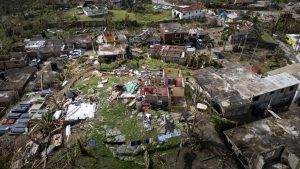
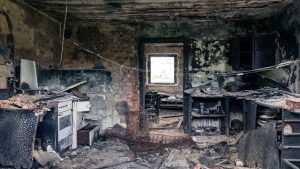
Yes, roof tarping serves as a vital temporary shield that can prevent thousands of dollars in property destruction by keeping wind-driven rain out of your attic and living spaces. For homeowners in Savannah, where the 2026 hurricane season presents unpredictable risks, securing a compromised roof is the most effective way to minimize the need for water damage restoration in Savannah. When a roof sustains damage from flying debris, high winds, or falling tree limbs, the resulting opening acts as a vacuum for water, leading to rapid saturation of insulation, drywall, and structural framing.
How does emergency roof tarping protect a Savannah home from hurricane damage?
The primary function of emergency roof tarping is to create a water-tight seal over exposed areas, which is a fundamental step in water damage restoration in Savannah and general disaster mitigation. By preventing moisture ingress immediately after a breach occurs, tarping stops the cycle of rot, mold growth, and structural decay that typically follows a storm event. This process acts as a bridge between the initial impact and the eventual permanent repair, ensuring that the interior of the home remains dry while the exterior weather conditions remain volatile.
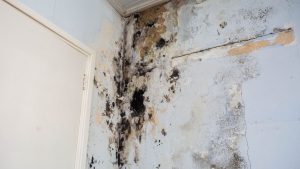
In a city like Savannah, where moisture levels are consistently high, any breach in the building envelope can lead to catastrophic internal water issues within just 48 hours. When you seal the roof, you are essentially buying time for the storm to pass and for contractors to schedule permanent fixes. This proactive measure prevents the roof decking from absorbing excessive water, which helps maintain the integrity of the home support beams and prevents the ceiling from collapsing under the weight of saturated drywall.
The unique risks of Savannah’s coastal climate
Savannah’s geography makes roof maintenance particularly challenging during hurricane season. The combination of salt air, which accelerates the degradation of roofing materials, and the high humidity level, creates a perfect environment for rapid material breakdown. When shingles become brittle due to prolonged sun exposure and salt-induced oxidation, they are more susceptible to being ripped away during wind events.
Properties located near the marshlands of Thunderbolt or the tidal zones around the Savannah River often face increased wind turbulence compared to inland areas like Habersham Village. This turbulence puts immense pressure on roof transitions and flashing points. Even a minor gap in your shingle coverage can widen quickly when hurricane-force gusts hit the surface, turning a small leak into a major structural emergency.
Understanding the mechanics of roof failure
Roof failure rarely happens all at once. It often begins with subtle damage that is difficult to spot from the ground. For historic homes in the downtown district or the Victorian District, the complex rooflines and original construction materials require a specialized eye. Older homes may feature slate tiles or century-old wood shingles that, if dislodged, allow water to enter the building envelope with surprising speed.
Common failure points include:
- Chimney flashing: Often the first point to lift when high winds exert pressure on the roof structure.
- Valley transitions: Where two slopes meet, debris often accumulates, trapping water against the shingles.
- Vent pipe boots: The rubber seals around plumbing vents frequently crack due to heat, becoming entry points for moisture.
- Eaves and ridges: High-velocity winds create lift, specifically targeting the edges of the roof where the mechanical attachment is weakest.
Recognizing these vulnerabilities allows you to address them before the season reaches its peak. If you are unsure of your roof condition, you may contact us to receive an expert assessment of your property. This evaluation helps you understand where your home is most exposed and what steps you can take to reinforce these areas against potential hurricane damage.
Why DIY tarping often fails during severe weather
Many homeowners attempt to mitigate roof damage themselves using basic materials from local hardware stores. While the intent is correct, the execution is often flawed, leading to a false sense of security. A piece of plastic stapled to shingles will not hold up against the sustained winds of a tropical storm or a Category 1 hurricane.
Professional emergency roof tarping Savannah services utilize heavy-duty, UV-resistant tarps designed specifically for high-wind environments. These tarps are anchored using specialized methods that do not compromise the remaining intact parts of the roof. If you use the wrong materials, the wind can catch the edges of the tarp, ripping it away and turning it into a hazard that damages not only your property but also surrounding homes.
The risks of improper installation:
- Inadequate anchoring: Using small nails or staples that tear through the tarp when stressed.
- Poor material choice: Using thin, painter-grade plastic that shreds in high wind.
- Safety hazards: Climbing onto a slick, storm-damaged roof is extremely dangerous and should never be attempted by an untrained individual.
- Incomplete coverage: Failing to properly layer the tarp to allow water to run off, which creates pooling and eventual leaking.
Incorporating storm water intrusion protection strategies
Beyond just tarping, effective storm water intrusion protection involves a holistic look at the building envelope. If your roof is damaged, the water will find the path of least resistance into your home. This might mean it travels down the interior studs to the wall plates, or it might saturate the ceiling joists in your kitchen or living room.
To maximize the effectiveness of your tarping, you must also address the drainage systems. Clearing gutters of pine needles and coastal debris is a mandatory step that should be completed long before a tropical depression forms. If your gutters are blocked, water will cascade directly down the side of your house, increasing the hydrostatic pressure on your foundation and potentially flooding your basement or crawlspace.
The importance of professional assessment after a storm
Even if your roof appears intact after a wind event, hidden damage may exist. Salt air and moisture can cause fasteners to rust, weakening the connection between your roof deck and the framing. A professional inspector can identify these hidden issues, providing you with a roadmap for long-term repairs that ensure your home can handle the next season.
For residents in newer subdivisions near the Starland District or Ardsley Park, the focus might be on checking for impact damage from tree branches. Large oaks and mature trees are a hallmark of Savannah, but they are also a liability during hurricanes. A professional can assess whether the proximity of your tree canopy necessitates a more aggressive approach to roofing maintenance and storm protection.
| Feature | DIY Tarping | Professional Tarping |
| Material Quality | Standard thin plastic | Heavy-duty, reinforced polyethylene |
| Installation Safety | High risk of falls/injury | Expert safety protocols and gear |
| Weather Resistance | Minimal (tears easily) | High (rated for wind and rain) |
| Longevity | Days (until next wind) | Weeks (until permanent repair) |
| Installation Method | Staples and tape | Strategic anchoring to structure |
When to prioritize permanent repairs over temporary solutions
Temporary tarping is an essential short-term fix, but it is not a replacement for a roof replacement or comprehensive repair. In Savannah, the high humidity means that trapped moisture under a tarp can still lead to mold issues if the area underneath remains damp for too long. This is why you must prioritize moving from a temporary state of emergency to a permanent restoration.
If you have experienced significant storm damage, your first step is to secure the property. Once the structure is stabilized, work with a professional to document the damage for insurance purposes and schedule the final repairs. Do not wait for the next storm to act, as the condition of a damaged roof will only deteriorate further with each passing week of exposure to the elements.
Frequently Asked Questions
How long can a professional roof tarp last before it needs to be replaced?
A professionally installed emergency tarp can generally last between 30 and 90 days. Its lifespan depends heavily on the weather conditions, wind exposure, and the quality of the materials used. It is designed to buy you time, not to provide a long-term solution for roofing problems.
Will roof tarping stop all leaking if the underlayment is damaged?
Tarping significantly reduces the amount of water ingress, but it is not always a 100% guarantee, especially if the roof has severe structural issues or if the tarp was not installed perfectly. However, it is the best possible stop-gap measure to prevent interior damage while waiting for a professional roof repair crew.
Can I install a roof tarp myself if I have the right tools?
We strongly advise against DIY roof tarping, especially in the context of hurricane damage. Walking on a damaged roof is extremely dangerous, and improper installation can cause more damage to your home than the original leak. Professionals have the training, insurance, and equipment to do it safely and effectively.
Does roof tarping affect my insurance claim process?
Yes, it can. Insurance providers often require that you take reasonable steps to prevent further damage to your home, which is known as mitigation. Tarping shows that you have acted to protect the property, which can be an important factor in your claim process. Be sure to document the damage and the tarping process with photos before and after the installation.
How does the saline environment in Savannah impact my roof’s life expectancy?
The salt air in Savannah is corrosive and can significantly reduce the lifespan of roof fasteners, flashing, and even the surface of shingles. Over time, this corrosion can cause materials to become brittle and lose their water-repelling properties. Regular inspections are critical in coastal areas to catch these signs of degradation before they result in a leak during a storm.
Ensuring Coastal Resilience
As we look toward the 2026 hurricane season, preparation remains your best defense. Whether you live in a historic home near Forsyth Park or a modern residence on the outskirts of the city, the integrity of your roof is the barrier between your family and the storm. By understanding the importance of emergency tarping and the broader need for ongoing maintenance, you can protect your property from the most devastating effects of hurricane-driven water damage.
When the unexpected occurs, you need a partner who understands the unique challenges of our coastal geography. Enviro Professional Response serves the Savannah community with the technical expertise and dedication required to handle emergency mitigation and full-scale recovery. We are committed to providing the guidance and support you need to manage your property throughout the season. Remember that timely action is the key to minimizing the total impact of water damage restoration in Savannah, and we are ready to help you maintain the safety and integrity of your home year-round.