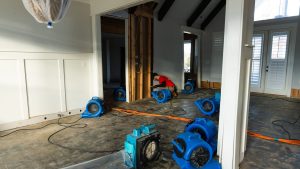
Water damage might seem harmless at first, but it can cause big problems over time. When unnoticed or ignored, it leads to issues that affect the structure of your home and the well-being of everyone inside. Sometimes, a small drip from a leaky pipe or a bit of rain seeping in doesn’t seem like a big deal, but over time, it can turn into a major headache.
Understanding what water damage does over the long term helps you stay prepared and take the right actions. From weakening the walls and floors to creating a perfect spot for mold to grow, the effects are wide-ranging. Not only does water damage harm the house’s structure, but it can also impact health by contributing to poor indoor air quality.
Acting promptly is crucial. It saves you time, money, and stress in the long run. Knowing how water damage can affect your home motivates you to maintain your space and address any leaks or issues immediately. With a proactive approach, you can ensure your home remains safe and intact.
Structural Concerns and Property Damage from Water Exposure
Water damage can silently compromise the stability and safety of your home. Over time, constant exposure to water weakens the structure, affecting everything from foundations to ceilings. When water seeps into wooden beams or frames, it can cause the wood to swell and eventually rot, making it unable to support the house as it should. This deterioration is particularly concerning for foundational elements that bear significant load.
Wet drywall might start to sag or crumble, signaling that it needs replacement before it affects the circulation in your home. On floors, water can warp boards or buckle tiles, creating uneven surfaces that pose tripping hazards. Even seemingly safe areas can hide trouble beneath the surface, like soggy insulation or moldy subfloors.
Additionally, prolonged water exposure leads to metal parts like nails and screws rusting, which reduces their ability to hold structures together securely. Brick or concrete can crack or erode when exposed to water frequently, particularly during freeze-thaw cycles in colder climates.
Spotting these early signs allows homeowners to restore affected areas before they require major repairs. Keeping a close watch can prevent long-term damages that turn expensive and time-consuming if ignored.
Health Risks Associated with Mold Growth
Mold is an unwelcome guest that often follows water damage if not managed swiftly. It thrives in damp, dark spaces, spreading quickly once it takes root. Not only is it unsightly, but it also poses serious health risks to everyone living in the house. Mold spores in the air can trigger allergies and respiratory issues, such as sneezing, coughing, and asthma attacks, particularly in children and seniors.
Mold can release spores and toxins into the air, exacerbating health conditions like chronic respiratory illnesses. Prolonged exposure to mold can lead to more serious health problems, potentially impacting daily life and general well-being.
To reduce these risks:
– Regular Inspections: Regularly check areas prone to moisture, like basements, attics, and bathrooms.
– Adequate Ventilation: Ensure good airflow in the home. Use exhaust fans in bathrooms and kitchens to reduce moisture levels.
– Use Dehumidifiers: In spaces where humidity is high, using a dehumidifier can keep mold at bay.
– Prompt Repair of Leaks: Fix any leaks in pipes, roofs, or walls quickly to eliminate mold-friendly environments.
Taking swift action against mold growth protects health and maintains a clean, safe environment in your home. Awareness and early intervention play crucial roles in keeping mold from becoming a larger issue.
Impact on Indoor Air Quality and Living Conditions
Water damage goes beyond what you can see. It significantly affects the air you breathe and the comfort of your living space. When water infiltrates a home, it raises humidity levels, creating a haven for mold and mildew. These fungi release spores into the air, compromising indoor air quality. Poor air quality poses challenges for those with allergies, asthma, or other respiratory conditions, as inhaling these spores can worsen their symptoms.
Lingering moisture can lead to increased dust mite populations, as they thrive in damp environments. Dust mites, along with mold, can trigger allergic reactions. Furthermore, water-damaged materials release volatile organic compounds (VOCs), which may cause headaches, dizziness, or other health issues.
To improve air quality, ensure your home is well-ventilated:
– Open Windows: Allow fresh air to circulate and carry away pollutants.
– Air Purifiers: Use purifiers with HEPA filters to trap airborne particles and allergens.
– Regular Cleaning: Keep your home dust-free and address mild water damage immediately.
Living in a healthy environment depends heavily on maintaining good air quality, which is why addressing water damage promptly is critical.
Strategies for Long-Term Prevention and Maintenance
Preventing water damage is an ongoing process requiring consistent attention and maintenance. By taking proactive steps, you can protect your home from the potential fallout of unchecked water issues. Here are some strategies to safeguard your property:
– Regular Inspections: Conduct consistent checks on roofs, gutters, and foundations for signs of leaks or cracks. Repair issues before they escalate.
– Maintain Proper Drainage: Ensure your home’s drainage system efficiently directs water away from the property. Clean and maintain gutters and downspouts to prevent blockages.
– Install Sump Pumps: Equip basements with sump pumps to prevent water accumulation during heavy rainfall.
– Seal and Insulate: Properly seal windows, doors, and any areas prone to moisture intrusion. This step keeps out water and reduces risks of damage.
– Monitor Plumbing: Regularly inspect pipes for leaks or signs of wear. Fix plumbing issues quickly to avoid water buildup.
Adopting these practices helps reduce the risk of water damage, keeping your home in good condition for years to come.
Conclusion: Preserving Your Home’s Safety and Integrity
Understanding the long-term effects of water damage emphasizes the need for vigilance and prompt action. Water damage affects not only the physical structure of your home but also the health and comfort of your living environment. By maintaining awareness and addressing issues as they arise, you can create a safe, healthy space for yourself and your family.
Your efforts in maintaining your home reflect the care you have for the people living in it. By implementing the strategies outlined above, you significantly reduce the risk of damage and enhance the quality of life within your home.
If you’re facing challenges with water damage and need expert assistance, reach out to Enviro Professional Response. Our experienced team is ready to help you restore and maintain your home, ensuring a safe and healthy environment. Don’t wait for water damage to become a bigger problem—contact us today for peace of mind and professional water damage restoration in Savannah, GA.