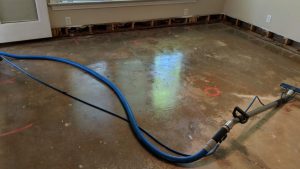
Keeping moisture at bay in an elegant, heritage-rich home is absolutely essential, especially in a place like the Savannah, Georgia Historic District, where many residences showcase intricate woodwork, original plaster, and antique structural materials. If you own or manage such a property, rapid extraction and drying of water isn’t just about aesthetics, it’s about preserving decades (or centuries) of craftsmanship, preventing irreversible structural decay, and maintaining a healthy environment for occupants. That’s why water damage restoration Savannah GA must be prioritized as soon as any sign of intrusion appears.
Why is rapid moisture removal critical in historic Savannah homes to prevent structural decay?
The unique vulnerability of historic homes in Savannah
Savannah’s architecture is famous for graceful colonnades, wide verandas, and richly detailed wood-trimmed interiors. Many of these homes were built in the 19th or early 20th century, using framing, siding, and flooring materials that perform differently than modern builds. Because of age, materials such as timber joists, lath and plaster, and original hardwoods are often more friable, more prone to moisture absorption, and less forgiving when faced with lingering damp.
With Savannah’s humid subtropical climate and proximity to the coast, moisture intrusion is a routine risk. Persistent humidity, frequent storms, and aging infrastructure all contribute to moisture intrusion in Savannah homes. When water saturates historic wood, it begins to weaken structural elements, swell joints, warp floors, separate trim, and set the stage for mold and rot.
How moisture causes structural damage
Think of wooden beams, joists, and floorboards absorbing moisture—they swell and shift. Interlocking joints become misaligned, nails loosen, and the load-bearing integrity of support members can diminish. Moreover, when moisture remains trapped, dark environments and poor ventilation typical of older homes can foster fungal growth.
In the multi-step process of restoration, when water isn’t removed swiftly and structural drying isn’t achieved, the result is permanent damage to building materials and developing mold problems. For example:
- Original hardwood floors may cup or peel.
- Framing members may develop wood rot.
- Lath and plaster may crack or collapse.
- Sub-flooring may delaminate, causing squeaks or instability.
These aren’t just cosmetic issues, they compromise the structural performance of the home.
Why the first hours matter
When dealing with water intrusion in historic properties, the clock is your enemy. The longer moisture lingers, the more it moves through materials, along interfaces, into hidden cavities, and the more secondary damage sets in—mold, rot, corrosion, and more. Rapid moisture removal is therefore critical to arrest that process, reduce scope and cost of repairs, and protect the structural integrity of the home.
What happens when moisture isn’t removed quickly in your historic home?
Wood rot, mold, and decay
When timber remains wet for extended periods, fungal growth (wood-decay fungi) can start to digest the cellulose and lignin in wood, leaving it spongy, brittle, and reduced in load capacity. The term wood rot prevention Savannah GA becomes especially pertinent when you own a regionally significant historic home. Moisture-induced decay can affect key structural members like joists, beams, sill plates, and sub-flooring. Mold also thrives in warm, damp environments, common in Savannah. The presence of mold not only affects health but can also degrade finishes, contaminate indoor air, and accelerate material breakdown.
Hidden moisture pathways in historic construction
Older homes often have multiple hidden cavities—between floors, behind plaster, beneath wide floorboards, between sagging sub-floors and crawlspaces. Moisture can migrate quietly into these zones. Failure to use proper structural drying methods may leave these hidden regions inadequately dried, leading to latent damage. A proper process of structural drying in a historic property means monitoring moisture until safe levels are achieved—not just superficial dryness.
Corrosion of fasteners, hardware, and connectors
Historic homes often use steel or iron nails, brackets, and other connectors which may corrode when exposed to moisture and humidity. This corrosion weakens the mechanical connections between structural members, which in essence reduces the strength of the building’s skeleton. This is especially critical in a region like Savannah where salt-laden air and humidity are common.
Foundation, crawlspace, and humidity effects
Many Savannah homes rest on raised foundations, crawlspaces, or piers. When moisture infiltration occurs—via storm surge, leaking plumbing, or high humidity—crawlspaces can become saturated. That leads to elevated moisture in sub-floors, supporting beams, and ultimately the floor systems above. Without rapid moisture removal and dehumidification, the entire under-structure suffers. Older homes may also have inadequate vapor barriers, which means humidity from beneath can migrate into structure and finish systems.
How does professional water damage restoration safeguard historic homes?
The restoration process and its importance
In the context of water damage restoration Savannah GA, there’s a recognized process: assessment, water extraction, structural drying, dehumidification, sanitation, cleanup, repair, and restoration. For historic homes, each phase needs special care: materials must be documented, hidden pockets of moisture must be located (often using thermal imaging), structural drying must respect the original materials and finishes, and repairs must maintain the home’s historic character.
Structural drying historic property Savannah
This phrase captures the specific discipline for heritage homes. Structural drying is more than simply blowing fans, it’s creating a controlled drying environment across all affected materials and cavities, including behind plaster, within joist bays, sub-floors, and crawlspaces. A properly executed structural drying plan ensures that no latent moisture remains which might later lead to decay. Technicians will use air movers, dehumidifiers, moisture meters, and thermal imaging to monitor progress and document safe moisture levels. Without this plan, hidden moisture pockets may go undetected leading to future failure.
Choosing a restoration partner familiar with historic homes
When selecting a restoration company, pick one that understands the specific challenges of Savannah’s historic properties: older materials, unique architectural details, permitting, and preservation concerns. Look for certifications like the Institute of Inspection, Cleaning and Restoration Certification (IICRC) and a track record in heritage homes. This ensures that the restoration work follows best practices and protects the architectural significance of the property.
Visit Enviro Professional Response for more about our specialized restoration solutions.
Key steps homeowners should take when water intrusion occurs
Immediate actions
- Stop the source of water (leak, burst pipe, storm intrusion) wherever possible.
- Remove standing water using pumps, extractors, and vacuums.
- Remove wet furnishings, carpets, rugs, and loose materials that may hold moisture.
- Open windows and doors if safe to do so and allow ventilation.
Historic homes often require more controlled drying, so engaging professionals is wise.
Engage professionals for structural drying
Once standing water is removed, call a restoration company experienced in water damage restoration Savannah GA and historic homes. They will set up drying equipment (air movers, dehumidifiers), monitor moisture, track drying progress, and ensure all building materials return to safe levels. Without a professional structural drying plan, you risk incomplete drying, which in turn risks wood rot, mold growth, and ongoing damage.
Need help fast? Contact Enviro Professional Response to schedule emergency moisture removal in your historic property.
Monitor long-term humidity and foundations
After restoration, monitor conditions in crawlspaces, basements, and sub-floors. Use moisture meters or sensors if appropriate. Control humidity with dehumidifiers and ensure proper ventilation. For historic homes in Savannah, this ongoing maintenance is essential to prevent future intrusion and structural decay.
Why neglecting moisture removal in historic Savannah homes is a costly mistake
Escalating repair costs and loss of authenticity
When moisture damage is left untreated, simple repairs become complex renovations. Structural members may require replacement. Historic finishes may be compromised. The cost of preserving authenticity and craftsmanship quickly escalates. Moreover, for heritage districts and registered historic homes, doing inappropriate repairs can even compromise historical integrity.
Health and safety implications
Persistent damp and mold are not just structural issues—they impact indoor air quality, occupant health, and may lead to regulatory or insurance complications. Structural damage may also compromise safety—floor collapse, weakened beams, compromised load paths—all serious outcomes in old homes.
Insurance and preservation considerations
Insurance policies often require immediate mitigation after water damage. Failing to engage prompt moisture removal may affect claims. Moreover, historic preservation boards or local regulations in Savannah may require documented restoration efforts that preserve historic character. A restoration plan demonstrating professional structural drying can support both insurance integrity and preservation compliance.
Table: Moisture Damage Risks vs. Rapid Removal Benefits
| Potential Risk | Benefit of Rapid Moisture Removal |
| Wood rot developing in joists and beams | Preserves original structural integrity |
| Hidden moisture behind walls and floors | Reduces long-term hidden damage and decay |
| Mold growth within 24-48 hours | Minimizes health risks and occupant exposure |
| Corrosion of fasteners and connectors | Maintains load-bearing capacity and safety |
| Loss of historic finishes and craftsmanship | Protects value, authenticity, and aesthetics |
| Insurance claim complications | Supports smoother claims and restoration process |
Real-world examples and local considerations in Savannah
Savannah’s historic homes such as those in the Savannah Historic District—often feature brick foundations, raised piers, heart pine, cedar siding, ornate ironwork, and wide plank floors. The Sorrel–Weed House (built 1840) stands as a landmark of Greek Revival architecture in Savannah. In such homes, moisture from storm surge, rising humidity, aging plumbing, roof leaks, or failing flashings can penetrate through mortar joints, sill plates, and crawlspaces. Local restoration services recognize that in Savannah, water damage restoration involves a multi-step process to mitigate damage, dry affected areas, and restore properties to their pre-loss condition. Owners of historic homes should account for the additional time, care, and documentation required, especially when finishes or structural elements must match original craftsmanship.
FAQs
Q1: How soon should I begin remediation after discovering water intrusion in my historic home?
As quickly as possible—ideally within hours. The longer moisture sits, the greater the chance of structural decay, wood rot, mold growth, and unseen damage. Rapid action is crucial.
Q2: What signs indicate that my historic Savannah home may already have hidden moisture or decay?
Signs include musty odors, visible mold, warped or cupped floorboards, cracked plaster, soft or spongy wood in joists or beams, bubbling paint, or elevated humidity levels in crawlspaces.
Q3: What is involved in the structural drying of a historic property in Savannah?
Structural drying involves the use of air movers, dehumidifiers, moisture meters, and thermal imaging to identify hidden moisture. It ensures drying in walls, floors, sub-floors, and cavities.
Q4: Can I tackle drying and restoration myself in my historic home, or should I call professionals?
While you may remove visible water, historic homes require certified professionals with experience in water damage restoration Savannah GA. They ensure hidden moisture is addressed.
Q5: How does prompt moisture removal affect insurance claims and historic status compliance?
Prompt, documented moisture removal supports insurance claims and helps maintain historical authenticity by preventing major replacements.
In summary
Historic homes in Savannah present a beautiful, timeless legacy but also a unique set of vulnerabilities when it comes to moisture intrusion. Rapid removal of water, comprehensive structural drying, and professional restoration are essential to preventing structural decay, preserving architectural integrity, safeguarding occupant health, and maintaining property value. If your heritage property faces water intrusion, act quickly. Remember that water damage restoration Savannah GA isn’t optional, it’s fundamental.
At Enviro Professional Response, we specialize in historic home water damage recovery, whether you’re dealing with moisture in crawlspaces, wood rot risk in original joists, or exterior intrusion in a timeless structure. From rapid response and extraction to expert structural drying and restoration guidance, we are here to protect your home’s legacy and your peace of mind.