Living in Savannah offers a unique lifestyle, but our proximity to the Atlantic coast and the low-lying terrain near the Savannah River means that hurricane season requires serious preparation. From historic homes in the downtown district to newer constructions in neighborhoods like Midtown, every property faces the risk of water intrusion. Taking proactive steps is the most effective way to safeguard your investment and minimize the long-term need for water damage restoration in Savannah.
How do you identify the early signs of potential water damage?
Understanding the necessity of early detection is vital because intervention often prevents catastrophic structural failure. Flooding does not always present as a massive wall of water. Often, it begins with subtle indicators that many homeowners overlook until the damage becomes severe.
Watch for these early warning signs inside and outside your property:
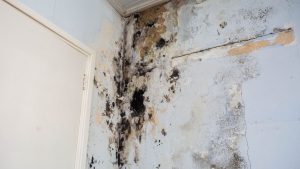
- Musty odors that persist even after cleaning, which often indicate trapped moisture within walls or floorboards.
- Visible staining on baseboards or drywall, particularly along the perimeter of the home near the foundation.
- Cracks in the concrete foundation or brick masonry that allow groundwater to seep into crawlspaces.
- Sagging floors or ceiling tiles, which suggest water has saturated structural materials above or below.
- Inconsistent humidity levels, where certain rooms feel significantly more damp than others during summer storms.
If you notice any of these signs, it is important to address them before a major storm event. By scheduling a professional evaluation, you can identify vulnerabilities in your home’s exterior that might act as entry points for heavy rains.
Building a Proactive Flood Preparedness Checklist
Building a comprehensive flood preparedness checklist is the best defense against the unpredictable nature of Atlantic storms. A good plan focuses on both the exterior of your home and the interior systems that manage water flow.
Start by securing your home’s perimeter to prevent water from pooling near the foundation. For historic homes in the Starland District or along the historic squares, ensure that gutters and downspouts are clear of debris. Clogged systems force water to overflow directly against the foundation walls, increasing the risk of seepage.
Next, consider these essential preparation steps:
- Install or check sump pumps to ensure they are functional and have a battery backup system.
- Elevate major appliances, such as water heaters or HVAC units, if they are located in low-lying garages or crawlspaces.
- Clear all storm drains around your property of leaves, pine needles, and other yard debris.
- Purchase flood insurance well before the season begins, as policies often require a waiting period before coverage is active.
- Review your emergency contact list, including utility companies and local mitigation specialists.
Preparation also involves understanding the specific topography of your property. If you reside in Ardsley Park, for example, your drainage needs may differ significantly from those living near the marshes of Isle of Hope. Evaluating your landscape helps you determine if you need to install French drains or regrade the soil to direct water away from your residence.
Essential Steps After Hurricane Flooding in Savannah GA
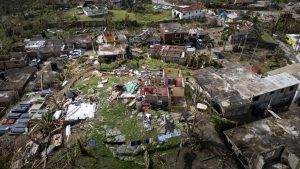
When hurricane flooding in Savannah GA impacts your home, the speed of your response determines the extent of the damage. Water is invasive, and it travels through porous materials like wood, drywall, and insulation within hours.
Prioritize safety first by ensuring all electrical power is turned off if there is standing water in the home. Do not walk through floodwaters that may contain hidden debris or electrical hazards. Once the area is safe, focus on containment to stop the spread of moisture.
If you are concerned about potential vulnerabilities or current damage, you may contact us to discuss the professional mitigation steps required for your home.
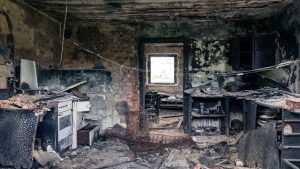
When water enters a structure, the first 24 hours are critical. The goal is to halt the migration of moisture into the framing of the home. This involves removing water-damaged items, such as rugs or saturated upholstery, and setting up industrial-grade drying equipment. The faster you remove the standing water, the lower the risk of permanent structural decay.
Why You Need Professional Water damage restoration Savannah GA
The standard for professional water damage restoration Savannah GA involves a multi-phase approach designed to return your property to a pre-loss condition. It is a scientific process that goes far beyond simply removing visible standing water.
The restoration process typically follows these stages:
- Assessment and Inspection: Technicians identify the source of the water and the level of saturation in building materials using moisture meters and thermal imaging.
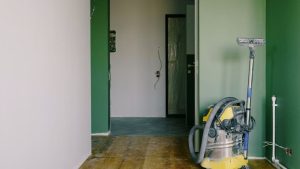
- Water Extraction: High-capacity pumps remove the bulk of the water from carpets, hardwood floors, and crawlspaces.
- Dehumidification and Drying: Industrial dehumidifiers create a dry environment, pulling moisture out of the air and the structure itself.
- Cleaning and Sanitizing: Surfaces are treated to prevent mold and bacteria growth, which is essential for health and safety.
- Restoration: Repairs are made to drywall, flooring, or structural elements that could not be saved.
| Feature | DIY Mitigation | Professional Restoration |
| Equipment | Standard shop vacuums | Industrial-grade extractors |
| Drying Speed | Slow (potential for mold) | Rapid (prevents mold growth) |
| Safety | Limited | Specialized PPE and electrical safety |
| Documentation | None | Detailed reports for insurance claims |
Understanding these stages helps homeowners realize that drying is not just about surfaces. Hidden water often collects behind baseboards or under flooring, necessitating the use of specialized air movers and moisture detection tools. Without professional equipment, surface-level drying often leaves moisture trapped in the studs or insulation, which can cause rot months or years later.
Geography and Flood Risk in Chatham County
Savannah’s unique geography plays a significant role in how your property handles water. Neighborhoods located near the Savannah River, such as areas within the downtown district, face different challenges than those in higher-elevation zones like Habersham Village.
Areas closer to the river and low-lying coastal regions are naturally more prone to tidal surges. Even homes in neighborhoods like Thunderbolt or Skidaway Island must account for the specific drainage patterns of the coastal salt marshes. Understanding your local flood zone maps provides context for how much water your property might be expected to handle during a significant rain event.
By being aware of your specific neighborhood’s topography, you can better tailor your mitigation efforts. If your property is in a high-risk zone, you might need to invest in flood barriers or more frequent inspections of your drainage systems. Many homeowners in these areas also benefit from installing check valves on their sewer lines to prevent sewage backflow during heavy flooding events.
It is also important to consider the soil composition of your area. Savannah’s soil often contains a mix of sand and clay, which influences how quickly water drains or pools around a foundation. Properties with heavy clay content may hold water longer, requiring more robust exterior drainage solutions than those with sandy, well-draining soil.
Frequently Asked Questions
What should I do first when I see water entering my home during a storm?
Prioritize your safety by shutting off electricity to the affected areas. If the water level is rising rapidly, evacuate to higher ground and wait for the storm to pass before attempting to assess or mitigate the damage.
Will my homeowners insurance cover flood damage?
Standard homeowners insurance policies typically do not cover flood damage. You generally need a separate flood insurance policy, often managed through the National Flood Insurance Program, to cover repairs from hurricane flooding.
How long does it take for mold to grow after a flood?
Mold can begin to colonize damp materials in as little as 24 to 48 hours. This is why professional water extraction and drying must begin immediately following a flooding event.
Can I dry my home using fans and space heaters?
Standard household fans and heaters are often insufficient for structural drying. Professionals use specialized dehumidifiers and high-velocity air movers designed to lower the humidity in the room, which is the only way to effectively dry walls and floor joists.
Are historic homes in Savannah more susceptible to water damage?
Historic homes often feature pier-and-beam foundations or original masonry that requires specific maintenance. While they are often elevated, they can have unique entry points for water that modern homes do not, making regular exterior inspections critical for these properties.
Final Thoughts on Coastal Resilience
Protecting your property from Savannah’s hurricane season requires a combination of preparation, vigilance, and the right professional support. By maintaining your drainage systems and having a plan in place, you can significantly reduce the risk of structural compromise. When the unexpected happens, you do not have to navigate the cleanup alone. Enviro Professional Response stands ready to provide the expert, reliable service you need. As the experts in water damage restoration Savannah GA, we help local homeowners restore their properties and peace of mind after the storm passes.