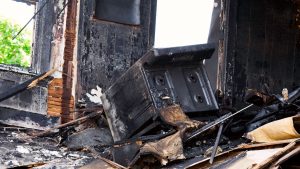
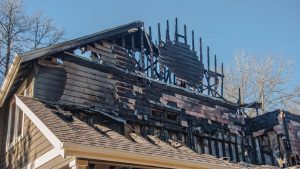
Water damage restoration in Savannah, GA is not just about extracting moisture and preventing mold. It’s deeply intertwined with local and state building codes that are designed to protect safety, ensure structural integrity, and mitigate future losses. These regulations dictate everything from required elevations in flood‐prone areas to the type of building permit needed before repairs can begin. Understanding how codes apply during restoration helps homeowners, contractors, and insurance adjusters navigate a complex legal and safety landscape.
In Savannah, adherence to specific portions of the 2025 Construction & Life Safety Codes ensures that repaired or rebuilt elements meet minimum safety standards. From the International Building Code to the National Electrical Code, each regulation contributes to a unified framework that guides water damage restoration. This blog unpacks the various codes, flood zone requirements, permit processes, and compliance strategies that shape restoration projects in Chatham County.
What building codes must be followed for water damage restoration in Savannah, GA?
Water damage restoration Savannah GA projects must comply with the City of Savannah Construction & Life Safety Codes, which align with the State minimum codes adopted by Georgia’s Department of Community Affairs. These regulations include:
- International Building Code (IBC)
- International Residential Code (IRC)
- International Plumbing Code (IPC)
- International Mechanical Code (IMC)
- International Fuel Gas Code (IFGC)
- International Energy Conservation Code (IECC)
- International Fire Code (IFC)
- National Electrical Code (NEC)
- NFPA 101 Life Safety Code
- ADA Standards for Accessible Design
Each code governs a specific trade or element of construction, ensuring that structural repairs, electrical rewiring, plumbing replacement, and accessibility modifications meet nationally recognized safety and performance standards.
Immediately after a flood event, Water Damage Restoration Savannah GA specialists review these codes to determine required elevations, floodproofing measures, and materials that resist future water intrusion. Properly elevated equipment and flood‐resistant materials minimize the risk of recurring damage and maintain compliance with local ordinances.
Why are the International Codes (I-Codes) vital for restoration?
Water damage restoration often involves selective demolition and reconstruction. When walls, floors, or mechanical systems are replaced, the latest edition of the I-Codes applies. For instance, the IRC outlines minimum requirements for framing, insulation, and vapor barriers in residential repairs, while the IBC addresses commercial structures and multi‐family dwellings.
A table of major I-Codes and their relevance to restoration projects is shown below:
| Code | Scope | Restoration Applicability |
| IBC | Commercial & multi-family structures | Governs structural repairs, fire resistance ratings, and accessibility upgrades |
| IRC | One- and two-family dwellings | Dictates framing, insulation, and moisture control for residential restorations |
| IPC | Plumbing systems | Specifies pipe materials, fixture elevations, and backflow prevention after water extraction |
| IMC | HVAC and mechanical systems | Sets ventilation, ductwork clearance, and equipment elevation requirements |
| IFC | Fire safety | Ensures that fire barriers, alarms, and egress routes are reinstated following flood damage |
| NEC | Electrical installations | Mandates proper wiring methods, outlet elevations, and ground‐fault circuit interrupters (GFCIs) |
| ADA Standards | Accessibility for people with disabilities | Requires accessible routes and fixtures if public or multi-family properties are altered |
Adhering to these codes not only guarantees safety but also streamlines insurance claim approval. Insurers often require documented proof of code‐compliant repairs before issuing final payouts, reducing potential liability for all parties involved.
How do local flood zone regulations affect restoration efforts?
Floodplain management is integral to water damage restoration in Savannah, where low elevation and proximity to tidal waterways pose ongoing risks. The City’s Flood Damage Prevention Ordinance identifies Special Flood Hazard Areas based on FEMA’s Flood Insurance Rate Maps (FIRMs) and requires:
- Elevating lowest floors above Base Flood Elevation (BFE) plus required freeboard
- Floodproofing non-residential structures to BFE levels
- Obtaining development permits prior to repair work in flood zones
- Adhering to local grading, fill, and drainage criteria
These regulations aim to minimize future flood impacts by ensuring structural elements and utilities are positioned above anticipated flood levels. Projects within a designated floodplain must submit elevation certificates and, in coastal high hazard areas, structural certifications from a registered professional engineer or architect.
When restoring a home after a flood, compliance with Savannah flood zone regulations can influence the type of materials chosen, such as flood-resistant drywall, tile finishes, and flood-compatible insulation. By elevating equipment like HVAC systems and electrical panels, restoration professionals meet code requirements and significantly reduce vulnerability to subsequent floods.
What building permits are required for water damage repair in Savannah?
Before beginning any water damage repair or restoration work in Savannah, contractors and homeowners must secure the appropriate permits from the Development Services Department. Common permits related to water damage projects include:
- Building Permit (structural repairs, framing, finishes)
- Plumbing Permit (pipe replacements, fixture installations)
- Mechanical Permit (HVAC and ductwork modifications)
- Electrical Permit (rewiring, outlet repairs, panel relocation)
- Demolition Permit (partial gutting or selective demolition)
The permit application process requires:
- Submission of a completed application form and checklist
- Two sets of construction drawings (scaled up to 11×17 inches)
- Site plan showing property lines, flood zones, and existing structures
- Water and Sewer Approval Form for commercial renovations
- Approval signatures from Environmental Health (septic tanks), Public Works (driveways), and Engineering (floodplain compliance)
Chatham County’s Building Safety & Regulatory Services also handles permit issuance for unincorporated areas. Completed applications can be dropped off at 1117 Eisenhower Drive, and inspections must be scheduled at various stages of restoration to ensure ongoing compliance.
Common permit and approval requirements at a glance
| Permit Type | Required Approvals | Typical Inspection Points |
| Building Permit | Zoning, floodplain review, site plan approval | Foundation, framing, final |
| Plumbing Permit | Environmental Health (if septic) | Rough-in plumbing, final plumbing |
| Mechanical Permit | Mechanical engineering review (if in flood zone) | Equipment placement, ductwork, final |
| Electrical Permit | NEC compliance review | Rough wiring, ground tests, final |
| Demolition Permit | Public Works (debris plan, sidewalks) | Pre-demo site security, final cleanup |
How does compliance with codes in GA influence insurance and liability?
Insurance carriers view code compliance as a risk‐mitigation strategy. When water damage repairs are performed in accordance with Georgia building codes and local ordinances, insurers are more likely to:
- Approve policy claims without denials based on non-compliance
- Offer lower premiums for properties rebuilt above BFE or floodproofed
- Recognize the use of approved materials and techniques for mold prevention
Conversely, failure to comply with codes can lead to claim denials, increased out-of-pocket expenses, and even legal action. Under Georgia law, contractors who perform work without proper permits risk fines, stop-work orders, and liability for resulting damages. Homeowners may also face penalties under the City’s flood damage prevention ordinance if restoration projects in regulated zones proceed without required permits or inspections.
Staying aligned with the Department of Community Affairs’ state minimum codes and local amendments safeguards both property owners and restoration professionals. It ensures that any investment in Water Damage Restoration Savannah GA yields resilient, code-conforming results that stand up to future weather events.
Why are inspections and ongoing compliance critical during restoration?
Inspections ensure that each phase of a restoration project adheres to the applicable codes and permits. Key inspections include:
- Pre-construction site review (verifying flood zone designation)
- Foundation inspection (elevations, footings, flood vents)
- Framing inspection (structural connections, fire blocking)
- Mechanical/plumbing rough inspections (correct slopes, secure supports)
- Electrical rough inspections (wire gauge, GFCI locations)
- Final inspections (completion of all work per approved plans)
Skipping inspections can void warranties, hamper insurance recoveries, and potentially compromise safety. For floodplain projects, the Development Services Department requires as-built elevation certificates to confirm that the lowest floors or floodproofed elements match the approved BFE levels. A registered land surveyor or professional engineer typically prepares these certifications to meet ordinance requirements.
What are the consequences of non-compliance during restoration?
Ignoring building codes during water damage restoration can result in:
- Fines of up to $1,000 per violation or 30 days in jail under Savannah’s flood ordinance
- Voided insurance claims, leaving homeowners with full restoration costs
- Increased liability for property damage and personal injury
- Difficulty selling or refinancing properties with unresolved code violations
- Unsafe living conditions due to compromised structural or fire safety features
By proactively integrating code requirements into restoration plans, professionals avoid costly rework, fines, and legal exposure. This approach fosters trust with homeowners, insurers, and local authorities alike.
Best practices for seamless, code-compliant restoration
- Engage a licensed restoration contractor familiar with Savannah’s codes and flood regulations.
- Conduct a thorough pre-construction assessment, identifying flood zones, permit needs, and structural deficiencies.
- Prepare detailed, code-aligned repair plans and submit permit applications early.
- Use flood-resistant and mold-inhibiting materials approved under the IECC and IBC.
- Schedule inspections at every required milestone to document compliance.
- Obtain elevation and floodproofing certificates from qualified professionals.
- Coordinate with insurance adjusters to verify that code-compliant measures satisfy policy requirements.
When in doubt, property owners can consult resources such as the City of Savannah’s Development Services Department or Chatham County Building & Regulatory Services for guidance on permit processes and floodplain compliance.
Bringing it all together: integrating building codes into restoration
Effective water damage restoration in Savannah hinges on a deep understanding of interlocking codes, regulations, and permit requirements. From flood zone management to I-Code updates, these standards ensure that repairs not only address immediate damage but also enhance long-term resilience. By aligning restoration methods—such as selective demolition, elevated equipment installation, and floodproofing—with local ordinances, professionals deliver safer, more durable outcomes.
For specialized projects that demand precision and compliance at every stage, Water Damage Restoration Savannah GA teams tailor solutions to meet stringent code criteria while minimizing downtime and disruption.
Contact us to schedule a code-compliant restoration assessment
Navigating permit applications, floodplain reviews, and inspections can be overwhelming. Whether you’re dealing with a minor leak or a major flood, our experts streamline the process from damage assessment to final sign-off. Contact us today to learn how we simplify code-compliant water damage restoration and protect your property investment.
Conclusion
Building codes are the backbone of safe, reliable water damage restoration in Savannah, GA. They dictate critical aspects of every project—from required elevations in flood zones to the materials and methods used in structural repairs. By fully embracing these regulations, homeowners and contractors mitigate future risks, satisfy insurance requirements, and ensure the resilience of repaired properties. For restoration services that prioritize compliance, safety, and efficiency, trust Enviro Professional Response to handle every phase of your project. Water Damage Restoration Savannah GA projects completed under the Enviro Professional Response banner deliver peace of mind, long-lasting performance, and unwavering adherence to all applicable codes.
Frequently Asked Questions
Q1: What is the Base Flood Elevation (BFE) and why is it important for restoration?
The BFE represents the expected floodwater elevation during a 1% annual chance flood event. Projects in floodplains must elevate the lowest floor or floodproof non-residential elements above the BFE plus any freeboard to meet code and insurance requirements.
Q2: Do I need flood insurance if my property isn’t in a high-risk zone?
While not mandated for zones B, C, or X, flood insurance is still recommended. These areas can experience flooding due to storms or sea-level rise. A policy provides financial protection even in lower-risk zones.
Q3: How long do building permits take in Savannah?
Permit turnaround times vary based on project scope and plan completeness. Simple repairs may clear in 5–7 business days, while complex renovations can take 2–3 weeks. Early submission of complete documents expedites review.
Q4: Can I perform water damage repairs myself without a permit?
Minor cosmetic repairs (e.g., replacing baseboards) may not require permits. However, any structural work, plumbing, electrical, mechanical, or drafting in flood zones requires permits and inspections by licensed professionals.
Q5: What should I look for when choosing a restoration contractor?
Verify they hold Georgia licenses for each trade, have experience with Savannah’s floodplain regulations, and provide references. Contractors should handle permits, inspections, insurance coordination, and post-restoration code certifications.