
When water damage disrupts your home or business, one of the first questions that comes to mind is how long recovery will take. The uncertainty can feel overwhelming, especially when daily routines, comfort, and safety are affected. In Pooler, Georgia, where humidity, storms, and plumbing issues are common, understanding the timeline for Water Damage Restoration Pooler, GA services helps property owners plan, reduce stress, and make informed decisions during a difficult time.
Water damage restoration is not a one-size-fits-all process. Some situations are resolved in a matter of days, while others require weeks of coordinated work. The timeline depends on the source of the water, the extent of the damage, and how quickly professionals begin mitigation. This guide breaks down each phase of the restoration process and explains what influences how long it takes in Pooler homes and commercial properties.
How Long Does Water Damage Restoration Take in Pooler, GA?
Water Damage Restoration Pooler, GA timelines vary widely based on the severity of the damage and the type of water involved. Immediately after understanding this, it becomes clear why professional assessments are essential before setting expectations.
Minor water damage caused by a small plumbing leak may take only a few days to dry and restore. More extensive damage involving multiple rooms, contaminated water, or structural impact can take several weeks. The key factor is how quickly the water is removed and drying begins.
Understanding the Water Damage Restoration Process
To understand the overall timeline, it helps to know the stages involved in professional water damage restoration. Each phase builds on the previous one, and skipping steps can lead to long-term issues such as mold growth or structural damage.
Emergency Response and Initial Inspection
The restoration process begins with an emergency response. Once professionals arrive, they assess the damage, identify the water source, and determine the category and class of water intrusion.
This inspection typically takes a few hours but is critical for creating an effective restoration plan. Accurate assessment ensures the right equipment and techniques are used from the start.
Water Extraction and Mitigation
Water extraction is one of the most time-sensitive steps. Standing water is removed using pumps, vacuums, and specialized extraction equipment.
Depending on the volume of water, extraction may take several hours or up to a full day. Quick removal limits further damage and shortens the overall restoration timeline GA property owners experience.
Drying Time After Water Damage in Pooler Homes
Drying is often the longest phase of the restoration process. Even after visible water is removed, moisture remains trapped in materials like drywall, flooring, and insulation.
Structural Drying and Dehumidification
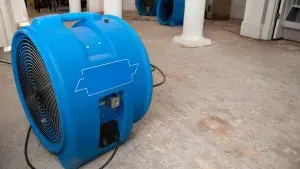
High-powered air movers and industrial dehumidifiers are placed strategically to remove moisture from the air and building materials. This process typically takes three to five days for moderate damage.
In more severe cases, drying time after water damage Pooler properties experience can extend to seven days or longer. Continuous monitoring ensures materials reach safe moisture levels before restoration continues.
Moisture Monitoring and Adjustments
Professionals use moisture meters and thermal imaging to track progress. Equipment may be repositioned as needed to target stubborn moisture pockets.
This monitoring phase ensures that drying is thorough, preventing hidden moisture from causing future problems.
Cleaning, Sanitizing, and Odor Control
Once drying is complete, affected areas are cleaned and sanitized. This step is especially important when water damage involves contaminated water sources.
Cleaning removes residue, prevents microbial growth, and restores indoor air quality. Depending on the extent of damage, this phase may take one to two days.
Odor control treatments may also be applied to eliminate musty smells associated with prolonged moisture exposure.
Repair and Restoration Phase
Minor Repairs and Cosmetic Restoration
For minor water damage, repairs may include replacing drywall sections, baseboards, or flooring. These tasks are usually completed within a few days.
Cosmetic restoration restores the appearance of the space and allows occupants to return to normal use quickly.
Major Reconstruction and Structural Repairs
Severe water damage may require extensive reconstruction. This can include replacing flooring throughout the home, rebuilding walls, or repairing structural components.
Major restoration projects can take several weeks, depending on material availability, contractor schedules, and the scope of work required.
Factors That Affect Restoration Duration
Several variables influence how long the restoration process takes. Understanding these factors helps set realistic expectations.
Type of Water Involved
Clean water from supply lines is easier and faster to address than contaminated water from sewage backups or flooding. Contaminated water requires additional safety measures and cleaning steps.
This added complexity extends the water mitigation process duration.
Extent and Location of Damage
Damage confined to one room dries faster than damage spread across multiple levels or rooms. Water that penetrates walls, ceilings, or crawl spaces increases drying and repair time.
Hidden damage often adds days to the overall timeline.
Response Time After the Incident
The sooner restoration begins, the faster the recovery. Delayed response allows water to spread and materials to absorb more moisture.
Quick action significantly reduces drying time and repair needs.
Residential vs Commercial Restoration Timelines
Residential properties often have simpler layouts and fewer systems, allowing for faster restoration. Commercial properties may involve larger spaces, specialized equipment, and compliance requirements.
Business owners may prioritize certain areas to resume operations sooner, which can influence restoration sequencing and duration.
Seasonal Considerations in Pooler, GA
Pooler’s humid climate affects drying efficiency. High humidity slows evaporation, requiring longer dehumidification periods.
Storm seasons also increase demand for restoration services, which can impact scheduling and timelines during peak periods.
The Role of Professional Equipment and Expertise
Professional restoration teams use industrial-grade equipment that dries structures faster than consumer-grade tools. Expertise in placement and monitoring further improves efficiency.
Attempting to handle water damage without professional support often leads to longer drying times and secondary damage.
In many cases, property owners seek guidance by connecting through our contact us page to understand what timeline to expect based on their specific situation.
One Table: Typical Water Damage Restoration Timeline
| Restoration Stage | Estimated Duration |
| Inspection and assessment | Same day |
| Water extraction | 1 day |
| Drying and dehumidification | 3 to 7 days |
| Cleaning and sanitizing | 1 to 2 days |
| Repairs and restoration | Days to weeks |
Why Skipping Steps Extends the Timeline
Rushing the process or skipping drying steps often leads to mold growth or material failure. These issues require additional remediation, extending the overall timeline significantly.
Proper restoration may take longer initially but prevents costly setbacks later.
How Insurance Affects Restoration Timing
Insurance approval processes can influence repair timelines. Documentation, inspections, and approvals may add time before reconstruction begins.
Working with experienced restoration professionals helps streamline communication and reduce delays.
When Can You Safely Reoccupy Your Property?
In many cases, occupants can return once drying and sanitization are complete, even if repairs are ongoing. Safety assessments determine when spaces are suitable for occupancy.
Severe damage or contamination may require temporary relocation until restoration reaches a safe stage.
What Homeowners Can Do to Speed Up the Process
Providing clear access to affected areas and approving recommended steps promptly helps keep restoration moving. Avoid interfering with drying equipment or altering settings.
Staying informed and responsive supports a smoother restoration timeline.
Long-Term Impact of Proper Restoration Timing
Completing restoration correctly the first time protects property value and indoor air quality. Thorough drying prevents hidden moisture issues that surface months later.
Investing time in proper restoration saves time and money over the long term.
Frequently Asked Questions About Water Damage Restoration in Pooler, GA
How long does water damage restoration usually take?
Minor cases may take a few days, while severe damage can take several weeks.
Does drying always take the longest time?
Yes, drying and dehumidification often account for the majority of the timeline.
Can restoration be completed faster with more equipment?
Proper equipment helps, but drying still depends on material saturation and conditions.
Will mold slow down the restoration process?
Yes, mold remediation adds steps and extends the timeline.
Should I wait before calling a restoration company?
No, immediate response shortens the overall restoration duration.
Conclusion
Understanding how long Water Damage Restoration Pooler, GA services take helps property owners prepare for recovery with confidence. While timelines vary based on damage severity, water type, and response time, professional restoration follows a structured process designed to restore safety and stability as efficiently as possible.
Enviro Professional Response is dedicated to guiding Pooler homeowners and businesses through every stage of restoration with clarity and care. With professional expertise and timely action, recovery becomes a manageable process rather than an overwhelming disruption.