
When floodwater fills a Savannah property, the difference between a straightforward recovery and a drawn-out mold problem often comes down to who handles the extraction and how closely they follow established industry standards.
IICRC certification exists because water damage restoration in Savannah is not as simple as pumping water out and running a few fans. Incorrect handling of contaminated water or incomplete drying can leave a property with hidden moisture and health hazards long after the visible water is gone.
This article explains what IICRC certification actually means, what an IICRC-trained flood extraction team does differently, and what property owners in Savannah should expect from the process step by step.
Knowing what a properly certified extraction looks like makes it much easier to tell a thorough job from a rushed one.
What IICRC Certification Means
The Institute of Inspection Cleaning and Restoration Certification, known as IICRC, is the industry body that sets training and technical standards for water damage restoration, including how technicians classify water contamination, monitor drying, and handle affected materials.
A technician who holds IICRC certification has been trained on specific procedures for water categories, moisture monitoring, and structural drying rather than relying on general cleaning knowledge. On our team, the technicians who perform flood extraction work are IICRC-certified, which shapes how we approach every stage of the process described below.
How IICRC Standards Classify Floodwater
Before extraction starts, IICRC guidelines call for identifying which category the water falls into, since that determines the safety precautions and cleanup approach.
- Category 1: clean water, comes from a source like a supply line, without contamination
- Category 2: grey water, contains some contamination, such as from appliance discharge
- Category 3: black water, is highly contaminated, including sewage or floodwater from an outside source
Floodwater from storms or rising water outside the building is almost always treated as Category 3, which means technicians use different protective measures and are more conservative about what materials can be cleaned versus what needs to be removed.
What to Expect Step by Step
An IICRC-trained extraction follows a consistent sequence, even though the timeline varies by property.
1. Initial Assessment and Water Classification
Technicians identify how the water entered the property, how far it has spread, and which category it falls into. This step determines the safety approach for everything that follows.
2. Water Extraction
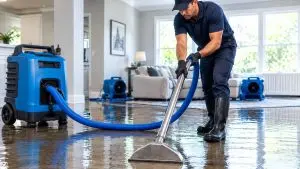
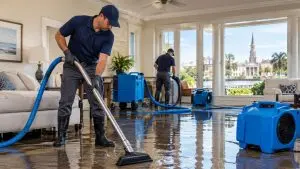
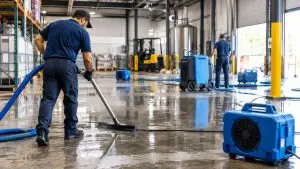
Standing water is pumped and extracted using equipment sized to the volume involved, with the goal of removing as much water as possible before drying begins, since every hour water sits allows it to spread further into materials.
3. Drying and Moisture Monitoring
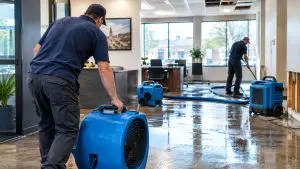
Industrial drying equipment and dehumidifiers run until moisture readings, checked with moisture meters throughout the process, confirm materials have reached an acceptable dry standard rather than just looking dry on the surface.
4. Cleaning and Sanitizing
Because floodwater is typically contaminated, affected surfaces are cleaned and sanitized following IICRC guidelines before any repair work begins.
5. Documentation for Insurance
Moisture readings and photos are documented throughout the process, giving property owners a clear record to support an insurance claim.
Why Certification Matters for Property Owners
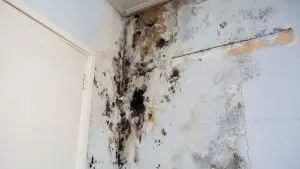
An IICRC-trained approach reduces the chances of a property being declared dry before it actually is, which is one of the most common reasons water damage turns into a mold problem weeks later. It also means technicians are following a consistent, documented process rather than an inconsistent one from job to job.
In Savannah’s humid climate, where mold can begin developing within 24 to 48 hours once materials stay wet, that consistency has a direct impact on whether a flood recovery stays contained or turns into a larger remediation project.
Frequently Asked Questions
What does IICRC certification actually mean?
It means a technician has completed training through the Institute of Inspection Cleaning and Restoration Certification on water categorization, extraction, and structural drying standards. It is an industry credential, not a government license.
Is all floodwater treated the same during extraction?
No. Water is classified into three categories, and floodwater from an outside source is typically treated as the most contaminated category, which changes the safety precautions and cleanup approach used.
How do I know if my property is actually dry after flood extraction?
Moisture readings, not visual inspection, confirm it. A property that looks dry on the surface can still hold significant moisture in subflooring or wall cavities without proper monitoring throughout the drying process.
How long does IICRC certified flood extraction take?
It depends on the size of the affected area, how long water sat before extraction began, and the materials involved. A single room dries faster than an open floor plan with widespread flooding.
Can flood extraction help with an insurance claim?
Yes, when the work is documented properly. Moisture readings and photos taken throughout extraction and drying give an insurance carrier a clearer picture of the loss and the work performed.
Are the technicians handling my property actually IICRC-certified?
Ask directly, and expect a clear answer. A legitimate certified technician will be able to explain their training and how it applies to your specific situation, including the water category involved and the drying standard they are working toward.
Final Thoughts on IICRC Certified Flood Extraction in Savannah
IICRC certification shapes how flood extraction gets done, from correctly classifying contaminated water to confirming a property is truly dry rather than assuming it. In a climate like Savannah’s, where mold can take hold within a couple of days, that level of process matters as much as the speed of the response.
If your property has standing water from a recent flood, our IICRC-certified technicians can assess the damage and begin flood extraction and documented drying before secondary damage sets in.