
A sprinkler line lets go over a weekend inside a Savannah retail space, and by Monday morning the carpet is soaked, the drywall is wicking water up the baseboards, and the register area smells like a wet basement. Nobody planned for this, but the doors still need to open on time.
Water inside a commercial building rarely stays contained to one room. It travels through flooring, behind walls, and into HVAC systems faster than most property managers expect, and every hour it sits adds to both the repair bill and the days the business stays closed.
This guide covers what separates an effective commercial water damage restoration solution from a rushed one, the questions worth asking before hiring anyone, and what the process should look like once work actually begins inside a Savannah business.
If your building is already wet, the choice you make in the next few hours matters more to your bottom line than almost any other decision you will make this quarter.
What Commercial Water Damage Looks Like in Savannah
In a commercial setting, water damage rarely comes from one predictable source. Plumbing failures, roof leaks above stockrooms, failed HVAC condensate lines, and sprinkler discharge all show up regularly in Savannah businesses, alongside storm and hurricane related water damage tied to the area’s coastal weather patterns.
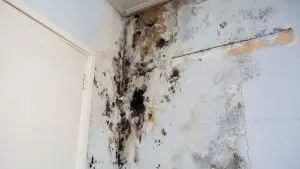
Savannah’s humidity adds another layer of risk. Once materials stay wet, mold can begin developing within 24 to 48 hours, which means the clock on a commercial water event is shorter than most business owners assume.
Because commercial buildings vary so much, from a single retail suite to a multi-tenant office building or a warehouse, the right water damage solution has to be sized to the property rather than treated as a one-size response.
Why a Residential Approach Falls Short for Businesses
Homes and commercial properties do not fail the same way when water gets in. A business typically has more square footage, HVAC systems tied to multiple units, and inventory or equipment that a homeowner never has to account for.
Restoration professionals also classify water intrusion into three categories under IICRC industry guidelines: clean water from a supply line, grey water carrying some contamination, and black water from sewage or flooding. A commercial solution needs to correctly identify which category it is dealing with before extraction even starts, since the handling and safety precautions differ for each.
On top of the physical damage, every day equipment that sits out of service is lost revenue. A restoration plan built for a business has to weigh both the drying timeline and how much of the building can stay operational while that work happens.
What an Effective Commercial Water Damage Solution Includes
A solid commercial response follows a consistent sequence, even though the scale changes from property to property.
1. Emergency Assessment and Moisture Mapping
The first step is identifying every point where water entered the building, not just the areas where the damage is visible. Water travels along ceiling grids, through wall cavities, and under raised flooring, so a Savannah restoration team should be checking materials throughout the space, not only where the floor looks wet.
2. Water Extraction Sized for the Property
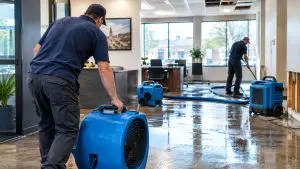
Standing water gets removed using extraction equipment matched to the volume involved and the square footage of the building. A single office suite needs far less equipment running at once than an open warehouse floor, and an effective plan accounts for that difference up front.
3. Structural Drying and Dehumidification
Industrial drying systems pull moisture out of the structure and surrounding air once standing water is gone. This stage typically runs the longest, since materials like subflooring and drywall release moisture slowly even after the surface looks dry.
4. Cleaning, Sanitizing, and Repairs
Once materials reach an acceptable dry standard, the space gets cleaned and sanitized before any repair or reconstruction work begins. Skipping this step, or rushing it, is one of the more common reasons water damage in a commercial building leads to a second problem later.
Questions to Ask Before Hiring a Commercial Water Damage Company
Not every restoration company treats commercial properties the same way residential jobs are handled. Before hiring anyone, it helps to ask:
- Are the technicians IICRC trained, and do they follow IICRC classification for the type of water involved?
- Does the company have equipment sized for a commercial property, not just a single-family home?
- How do they document moisture readings, and will that documentation support an insurance claim?
- Can the work be phased so part of the building stays open while drying equipment runs in the affected area?
- Is the company available for emergency response outside normal business hours?
How Our Team Approaches Commercial Water Damage in Savannah
Enviro Professional Response works throughout Savannah and the surrounding area, including Pooler, Richmond Hill, Port Wentworth, and the islands, with technicians who are IICRC-certified. Our process runs from initial inspection through extraction, structural drying, cleaning, and repairs, and we document moisture readings throughout so property managers have a clear record of the work performed.
We also work with major insurance providers to help make the claims process more straightforward for business owners managing a loss on top of everything else running their operation.
You can review how we approach water damage restoration in more detail, or see the areas we serve on our Savannah, GA service page.
Insurance Considerations for Commercial Water Damage Claims
Commercial property policies vary in what they cover, and the source of the water often affects that. A sudden pipe burst is typically treated differently than a slow leak that went unnoticed for weeks, and separate flood coverage may be required for damage caused by rising water rather than an internal failure.
Detailed documentation, photos, moisture readings, and an itemized account of any damaged inventory or equipment gives an insurance carrier a clearer picture of the loss and can help move a commercial claim along faster.
Frequently Asked Questions
How quickly should a Savannah business respond to water damage?
As soon as it is discovered. Water that sits for even a few hours can soak deeper into commercial flooring and drywall, and Savannah’s humidity means mold can begin developing within 24 to 48 hours if materials stay wet.
Can my business stay open during commercial water damage restoration?
Often, yes, depending on how widespread the damage is. Restoration work can frequently be sectioned so unaffected parts of the building remain usable while extraction and drying equipment run in the affected area.
Does commercial insurance cover water damage in Savannah, GA?
It depends on the policy and what caused the water intrusion. Sudden events like a pipe burst are usually treated differently than gradual leaks or flooding from an outside source, so reviewing your specific policy matters before assuming coverage.
What makes commercial water damage restoration different from residential work?
Commercial properties are typically larger and involve systems and inventory a home does not have, from HVAC networks to server rooms and stock. The scale of equipment needed and the need to limit downtime both set commercial work apart.
How long does drying take for a commercial building?
It depends on the size of the affected area and how long water sat before extraction began. A single affected office dries faster than an open floor plan with widespread water intrusion.
Final Thoughts on Commercial Water Damage Restoration in Savannah
Choosing the right commercial water damage restoration solution comes down to how quickly a team can assess the damage, extract water at the right scale, and document the process for your insurance carrier, all while keeping as much of your business operating as possible. Savannah’s humidity and storm exposure mean the window to act before secondary damage sets in is short.
If your Savannah business is dealing with water intrusion right now, our team is available to assess the damage and start extraction and drying before it spreads further into your building.